

Real Estate Insurance Essentials: Protecting Your Investment from Day One
Introduction: Why Real Estate Insurance Is Non-Negotiable
Purchasing real estate, whether it’s your first home, a rental property, or a commercial building, is one of the most significant financial decisions you’ll ever make. While the exhilaration of closing the deal is undeniable, many new property owners underestimate the importance of comprehensive insurance coverage. Real estate insurance is not just another box to check off or an added expense—it’s your financial shield against unforeseen disasters, liability claims, and costly repairs that could cripple your investment. Floods, fires, theft, and even minor mishaps like a burst pipe can result in damages worth thousands, if not millions. Without proper coverage, you risk losing far more than your initial investment. In this guide, we’ll dive deep into the essentials of real estate insurance, demystifying policy types, cost factors, coverage options, and actionable steps to ensure you’re truly protected from day one. Whether you’re a first-time homeowner or a seasoned investor branching into new property types, this detailed resource will equip you with the knowledge and confidence to make informed insurance decisions.
Understanding Real Estate Insurance: Core Principles
What Is Real Estate Insurance?
Real estate insurance, also known as property insurance, is a broad term covering a range of policies designed to protect property owners from financial loss due to damage, theft, or liability associated with real estate. The coverage scope and specific terms depend on the type of property and intended use—owner-occupied homes, rental properties, commercial spaces, or vacant lots all require tailored insurance strategies.
Why Is Insurance Critical for Property Owners?
- Financial Protection: Insurance covers costly repairs or replacements from fire, storms, vandalism, and other perils.
- Mortgage Requirement: Lenders typically require insurance as a loan condition.
- Liability Coverage: Protects against lawsuits from injuries or damages occurring on your property.
- Peace of Mind: Knowing risks are covered enables confident property management and investment growth.
Types of Real Estate Insurance Policies
Homeowners Insurance
This is the most common policy for owner-occupied residences. It protects against losses from fire, theft, weather events, and includes liability protection. Policies differ in coverage levels (HO-1 to HO-8), with HO-3 being the most widely used for single-family homes.
Landlord (Rental Property) Insurance
Landlord insurance covers properties you rent to tenants. It typically includes:
- Property Damage: Covers the building structure and sometimes personal property used to service the rental.
- Liability: Protects against tenant injuries or property damage claims.
- Loss of Rental Income: Compensates for lost rental income if the property becomes uninhabitable due to covered damages.
Commercial Property Insurance
For offices, retail buildings, warehouses, and other business properties, commercial policies cover:
- Building and Contents: Protects the structure and business equipment.
- Business Interruption: Covers lost revenue during repairs following a covered loss.
- General Liability: Shields against injury or damage claims from third parties.
Specialized Policies
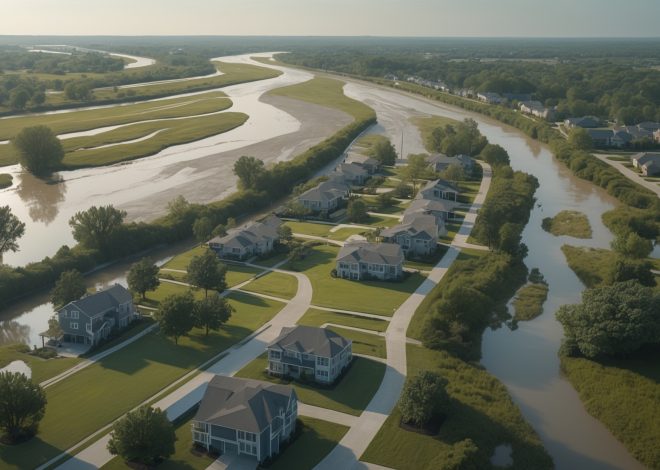
- Flood Insurance: Required for properties in flood-prone zones; not included in standard policies.
- Earthquake Insurance: Essential in high-risk regions; usually purchased separately.
- Vacant Property Insurance: Crucial if your property will sit empty for 30+ days, as standard policies may exclude coverage.
Cost Breakdown: What Influences Real Estate Insurance Premiums?
1. Property Location
Properties in areas prone to natural disasters (hurricanes, floods, earthquakes) command higher premiums. Crime rates and proximity to fire stations also impact costs.
2. Property Characteristics
- Age and Condition: Newer, well-maintained buildings cost less to insure.
- Construction Type: Brick, concrete, and fire-resistant materials lower risk.
- Value and Size: Higher-value or larger properties incur higher premiums.
3. Coverage and Deductible Choices
- Coverage Limits: Higher limits mean higher premiums but better protection.
- Deductible Amount: A higher deductible reduces premiums but increases out-of-pocket costs during a claim.
- Endorsements and Riders: Extra coverage for high-value items or specific perils increases costs.
4. Claims History
Frequent past claims can raise your premium, as insurers perceive greater risk.
5. Security Features
Security alarms, smoke detectors, fire sprinklers, and gated entryways can earn you discounts.
Essential Coverage Options: What Should You Never Skip?
Dwelling Coverage
Pays to repair or rebuild your property if damaged by covered perils. Ensure the coverage matches your property’s replacement cost, not just its market value.
Personal Property Coverage
Covers your belongings (appliances, furniture, electronics). For rentals, landlord policies may only cover items used for property maintenance, not tenant possessions.
Liability Protection
Protects you from lawsuits if someone is injured on your property or if you’re found legally responsible for property damage.
Loss of Use / Rental Income
This covers living expenses (for homeowners) or lost rental income (for landlords) if your property becomes uninhabitable due to a covered claim.
Additional Structures
Includes detached garages, sheds, fences, and other outbuildings on the property.
Medical Payments
Covers minor injuries to guests, regardless of fault, to prevent costly lawsuits.
Common Insurance Mistakes New Property Owners Make
- Underinsuring the Property: Skimping on coverage to save money can leave you exposed to devastating losses.
- Ignoring Exclusions: Not understanding what’s not covered (like floods or earthquakes) can lead to denied claims.
- Neglecting Policy Updates: Failing to adjust your policy after renovations or property value increases can result in inadequate protection.
- Choosing the Cheapest Policy: Low premiums often mean limited coverage and higher out-of-pocket costs during claims.
- Overlooking Liability Limits: Minimum liability coverage is rarely enough. Consider umbrella policies for additional protection.
Step-by-Step: How to Secure the Right Real Estate Insurance
1. Assess Your Property and Risks
Identify the property’s unique risks—location-based perils, age, construction, occupancy type. Use this information to determine the types and amounts of coverage you need.
2. Research Reputable Insurance Providers
Look for insurers with strong financial ratings and positive customer reviews. Seek recommendations from real estate professionals or local property owners.
3. Get Multiple Quotes
Obtain detailed quotes from at least three providers. Compare not just premiums, but also coverage limits, deductibles, exclusions, and customer service reputation.
4. Review Policy Details Thoroughly
- Understand Exclusions: Know what’s not covered. Ask about additional endorsements for extra protection if needed.
- Replacement Cost vs. Actual Cash Value: Replacement cost policies pay to rebuild at current prices, while actual cash value factors in depreciation. Choose wisely.
5. Finalize and Purchase Coverage
Once satisfied, finalize the policy and ensure coverage begins before your closing or move-in date. Maintain records of your policy documents and provider contact information.
6. Schedule Regular Reviews
Reassess your insurance needs annually or after major property changes. Update your policy to reflect renovations, value increases, or changes in use (such as renting out a former residence).
Expert Tips for Lowering Your Real Estate Insurance Costs
- Bundle Policies: Combine property insurance with auto or umbrella policies for discounts.
- Increase Deductibles: Raising your deductible can significantly reduce your premium.
- Invest in Safety Upgrades: Installing security systems, smoke detectors, and storm shutters can lower costs and risk.
- Maintain Good Credit: Insurers often use credit scores to determine premiums. Pay bills on time and manage debts wisely.
- Avoid Small Claims: Paying out-of-pocket for minor repairs can prevent premium hikes from frequent claims.
Real-Life Case Study: The Cost of Being Underinsured
Consider the case of a new landlord who purchased a duplex in a coastal city. Eager to maximize short-term profits, they selected a basic landlord policy that excluded flood coverage. Six months later, a tropical storm caused significant water damage, rendering both units uninhabitable. The landlord’s policy covered only wind damage and structural repairs, but not flood-related losses or the lost rental income during several months of restoration. The out-of-pocket losses exceeded $60,000—far more than the annual cost of comprehensive coverage. This scenario underscores the importance of understanding policy exclusions and investing in appropriate add-ons based on location-specific risks.
Insurance Compliance: What Every Property Owner Must Know
Mortgage Lender Requirements
Most lenders require proof of adequate insurance before finalizing a mortgage. Failure to maintain coverage can result in forced placement of high-cost lender policies or even foreclosure.
Local and State Laws
Some regions mandate specific types of coverage, such as earthquake or flood insurance in high-risk zones. Always verify local requirements before closing.
HOA and Condo Association Policies
If your property is part of a homeowners association or condo, the association may carry a master policy. However, you’ll typically need your own coverage for interior fixtures, personal property, and liability. Clarify the division of responsibilities to ensure no gaps exist.
What to Do When You Need to File a Claim
1. Document the Damage
Take photos and videos immediately after the incident. Gather receipts, appraisals, and any relevant documentation.
2. Notify Your Insurer Promptly
Report the incident as soon as possible. Delays can jeopardize your claim eligibility.
3. Mitigate Further Damage
Take reasonable steps to prevent additional loss, such as boarding up windows or shutting off water. Keep receipts for any emergency repairs.
4. Cooperate with Adjusters
Be responsive and provide all requested documentation. Keep a record of communications and claim status updates.
Conclusion: Secure Your Investment the Smart Way
Real estate insurance is an indispensable tool for anyone who owns, rents, or invests in property. It’s not a one-size-fits-all product; the ideal policy is tailored to your property’s unique risks, your financial goals, and local requirements. Underestimating the value of comprehensive coverage can expose you to devastating and avoidable financial losses. By understanding the various policy types, cost factors, and essential coverages, you can proactively safeguard your investment and avoid common pitfalls that catch new property owners off guard. Remember, insurance is not just about compliance—it’s about preserving your financial future and providing peace of mind in an unpredictable world. Prioritize regular policy reviews, stay informed about changing risks, and work with reputable providers to ensure your real estate assets are protected from day one. With the right approach, you’ll not only meet legal and lender requirements, but also enjoy the confidence that comes from knowing your investments are secured against life’s uncertainties. Don’t wait for disaster to strike—review your insurance strategy today and build a resilient real estate portfolio that stands the test of time.
4 thoughts on “Real Estate Insurance Essentials: Protecting Your Investment from Day One”
Leave a Reply



You mention that lenders usually require insurance as a loan condition. If I’m buying a rental property in cash without financing, is there a minimum coverage amount you recommend to stay protected without overpaying?
If you’re buying a rental property in cash, there’s no lender requirement, so the coverage amount is up to you. A good starting point is to insure the property for its full replacement cost, including coverage for liability and loss of rental income. This way, you’ll be protected against major risks without paying for unnecessary extras. It’s wise to review local risks and consult with an insurance agent to tailor your policy.
You talk about protecting against things like floods and fires, but are those always included in a standard property insurance policy, or do I have to purchase separate add-ons for disasters like floods?
Floods are typically not covered in standard property insurance policies; you’ll usually need to purchase a separate flood insurance policy for that protection. Most standard policies do include coverage for fires, but it’s important to review your specific policy details or ask your insurer to confirm exactly what’s included and what may require additional coverage.