

Pre-Listing Property Inspections: A Seller’s Guide to Faster, Smoother Sales
Introduction: Why Pre-Listing Inspections Matter
In today’s competitive real estate market, every advantage counts. Sellers often focus on staging, curb appeal, and pricing strategy, but there’s a powerful tool many overlook: the pre-listing property inspection. Unlike buyer-initiated inspections, a pre-listing inspection is arranged and paid for by the seller before the home is officially listed. This proactive step can reveal hidden issues, prevent last-minute surprises, and provide sellers with a stronger negotiating position. In this comprehensive guide, we’ll break down exactly what a pre-listing inspection is, how it works, the benefits and potential drawbacks, and actionable steps you can take to ensure your property stands out. Whether you’re a first-time seller or a seasoned investor, understanding this process can save you time, stress, and money—while ultimately helping you achieve a faster, smoother sale.
What Is a Pre-Listing Property Inspection?
A pre-listing property inspection is a thorough examination of a home’s condition conducted before the property hits the market. The inspection is typically performed by a licensed, independent professional who evaluates the home’s structure, systems, and major components. The resulting report details any issues, from minor maintenance tasks to significant structural concerns. Unlike buyer inspections, which can trigger renegotiations or deal cancellations, a pre-listing inspection gives sellers vital information upfront, empowering them to address problems in advance or disclose them confidently to potential buyers.
Standard Components of a Pre-Listing Inspection
- Roofing: Shingles, flashing, gutters, and downspouts
- Foundation & Structure: Basements, crawlspaces, framing, settlement issues
- Electrical Systems: Wiring, outlets, circuit breakers, GFCI protection
- Plumbing: Pipes, fixtures, water heaters, sump pumps
- HVAC: Heating, air conditioning, ductwork, ventilation
- Exterior: Siding, windows, doors, decks, porches
- Interior: Walls, ceilings, floors, appliances, attic insulation
The Benefits of a Pre-Listing Inspection
Why should sellers invest time and money in a pre-listing inspection? Here are the key advantages:
1. Increased Buyer Confidence
Transparency sets your property apart. Providing a professional inspection report upfront signals honesty and can allay buyer fears—especially for first-time buyers. When buyers see that you’ve taken the initiative to evaluate and disclose your home’s condition, it builds trust and can reduce their perceived risk.
2. Fewer Surprises During Negotiation
Last-minute discoveries during a buyer’s inspection can derail deals or force panicked renegotiations. By identifying and addressing issues early, you can avoid being blindsided. This puts you in a stronger position and keeps the transaction on track.
3. Faster, Smoother Selling Process
Homes with pre-listing inspections often sell faster. Buyers are more likely to make confident, timely offers, and the risk of delays due to repair negotiations or price haggling is reduced. Real estate agents often report that pre-inspected homes stand out and move more quickly in the market.
4. Better Pricing Strategy
Knowing your home’s true condition lets you price it more accurately. You can factor in necessary repairs, or price at a premium if the inspection report is clean. This transparency can also help justify your asking price to buyers and appraisers alike.
5. The Option to Make Repairs on Your Terms
With knowledge of any issues, you control how (or if) you address them. You can make repairs with your preferred contractors, at your pace and cost, rather than under the pressure and time constraints of a pending sale.
Potential Drawbacks and How to Mitigate Them
While pre-listing inspections offer many benefits, it’s important to be aware of potential downsides:
- Disclosure Obligations: In many states, once you’re aware of a significant defect, you’re legally required to disclose it to buyers. However, full transparency often benefits sellers in the long run.
- Out-of-Pocket Costs: Sellers pay for the inspection, which typically ranges from $300 to $600. View this as an investment in a smoother sale.
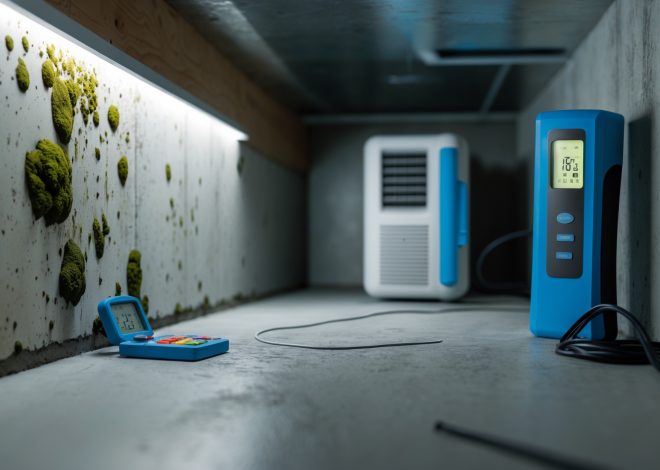
- Scope Limitations: Standard inspections are visual and non-invasive. They may not detect hidden problems like mold inside walls or underground plumbing leaks. Consider specialty inspections if warranted.
Step-by-Step: How to Arrange a Pre-Listing Inspection
Here’s a practical roadmap for sellers considering a pre-listing inspection:
Step 1: Research and Hire a Qualified Inspector
- Seek inspectors with state licensing or certifications from reputable organizations (e.g., ASHI, InterNACHI).
- Check online reviews and ask your real estate agent for recommendations.
- Request a sample report to evaluate their thoroughness and clarity.
Step 2: Prepare Your Property
- Declutter spaces to allow easy access to mechanical systems, basements, attics, and crawlspaces.
- Replace burned-out light bulbs and test smoke detectors.
- Provide access keys for garages, sheds, and utility panels.
Step 3: Attend the Inspection (Optional, but Recommended)
- Be present to answer questions and learn firsthand about your home’s condition.
- Take notes on the inspector’s findings and recommendations.
Step 4: Review the Inspection Report Carefully
- Identify any major issues that could impact your sale.
- Discuss the findings with your real estate agent and prioritize items for repair, disclosure, or negotiation.
Step 5: Decide on Repairs, Pricing, or Disclosures
- Choose which repairs to complete before listing and which to disclose or leave for negotiation.
- Obtain repair estimates if needed to inform pricing or negotiation strategies.
Step 6: Market Your Home with Confidence
- Share the inspection report with buyers and agents to demonstrate transparency.
- Highlight completed repairs and improvements in your listing description.
What to Expect: Inspection Day and Beyond
On inspection day, the process typically takes 2–4 hours, depending on the home’s size and complexity. Inspectors use checklists, digital cameras, and sometimes specialized tools (like moisture meters or infrared cameras) to assess various systems. You’ll receive a detailed written report—often with photos—within 24–48 hours.
After the inspection, you may discover issues ranging from minor (leaky faucets, loose doorknobs) to significant (roof leaks, outdated electrical panels). Your real estate agent can help you weigh the cost and impact of each item on your sale.
Common Issues Revealed in Pre-Listing Inspections
Here are some typical findings and how they can affect your sale:
- Roof Wear: Old or damaged shingles may require repair or replacement.
- HVAC Deficiencies: Dirty filters, low refrigerant, or aging units can be red flags for buyers.
- Electrical Concerns: Outdated panels, ungrounded outlets, or double-tapped breakers often arise.
- Plumbing Leaks: Under-sink leaks, slow drains, or corroded pipes are common findings.
- Foundation Cracks: Many are cosmetic, but significant movement may necessitate further evaluation.
- Insufficient Insulation: Especially in older homes, adding insulation can improve energy efficiency and appeal.
How to Use Your Inspection Report Strategically
1. Address High-Impact Repairs
Focus on fixes that could scare off buyers or delay closing—such as roof issues, electrical hazards, or water damage. Completing these repairs upfront can prevent deal-killing surprises.
2. Get Multiple Quotes
For larger repairs, obtain multiple estimates. This helps you make informed decisions and provides documentation if buyers request concessions instead of repairs.
3. Craft a Disclosure Statement
Be upfront about any issues you choose not to repair. Providing the inspection report and a thorough disclosure can build goodwill and reduce liability.
4. Use the Report as a Marketing Tool
Highlight completed repairs and a clean inspection in your marketing materials. Homes with recent inspections often stand out in crowded markets.
Should You Still Expect a Buyer’s Inspection?
Even with a pre-listing inspection, most buyers will arrange their own inspection as a condition of the purchase contract. However, your upfront approach can make their findings less likely to disrupt the deal, and buyers may even waive some contingencies if confidence is high.
Special Considerations for Older or Unique Properties
If your home is older or has unique features (historic details, additions, specialty systems), consider supplemental inspections:
- Termite/Pest Inspections
- Sewer Line Scopes
- Roof Certifications
- Chimney/Fireplace Inspections
- Pool/Spa Inspections
These specialty assessments can provide additional peace of mind and may be required in some markets or for certain loan types.
Pre-Listing Inspection FAQs
Is a pre-listing inspection required?
No, it’s optional—but increasingly popular in competitive markets.
Will a pre-listing inspection replace the buyer’s inspection?
Not usually, but it can reduce the risk of deal-breaking surprises and speed up the process.
How much does a pre-listing inspection cost?
Expect to pay $300–$600 for a standard single-family home, with additional fees for specialty inspections.
Should I share the full report with buyers?
Yes, full transparency is recommended. Highlight repairs you’ve made and provide receipts if possible.
Conclusion: Make Your Sale Smoother and More Profitable
Pre-listing property inspections aren’t just an extra box to check—they’re a strategic move that can transform your selling experience. By investing a few hundred dollars and a bit of effort upfront, you can uncover hidden issues, address major concerns on your own terms, and present your home with confidence. In a market where buyers are wary and transactions can fall apart over minor surprises, this transparency sets you apart. You’ll sell faster, with fewer headaches, and often at a better price than sellers who leave everything to chance. Remember, knowledge is power: the more you know about your property, the better equipped you’ll be to negotiate, plan, and succeed. Whether you’re selling your first home or managing an investment portfolio, a pre-listing inspection is a smart, proactive step that pays dividends—both financially and in peace of mind. If you’re ready to list, start with an inspection, and give yourself the best possible start in today’s competitive real estate market.
4 thoughts on “Pre-Listing Property Inspections: A Seller’s Guide to Faster, Smoother Sales”
Leave a Reply



If I get a pre-listing inspection and the report finds issues like wiring or minor foundation problems, is it better to fix them myself before listing or just disclose them to buyers? I’m trying to figure out the best strategy for my budget and timeline.
If you fix issues like wiring or minor foundation problems before listing, your home may attract more buyers and support a higher price, since buyers feel more confident. However, repairs can be costly and might delay your timeline. Disclosing the issues lets you sell sooner and avoid upfront expenses, but buyers may expect a discount or negotiate repairs. Consider your budget and how quickly you want to sell—some sellers choose to fix only the most concerning or inexpensive items and disclose the rest.
The article mentions that pre-listing inspections reduce last-minute surprises, but what happens if a buyer still wants their own inspection and finds something new? Does having a pre-listing inspection protect the seller in this case?
If a buyer chooses to do their own inspection and discovers a new issue, the seller is still responsible for addressing it, even if a pre-listing inspection was done. The pre-listing inspection helps minimize surprises and shows transparency, but it doesn’t legally protect the seller from anything found later. Sellers should always disclose known issues, and any new findings from the buyer’s inspection may still be part of negotiations.