
Essential Real Estate Tools and Equipment: A Landlord’s Practical Guide
Introduction: Why Every Landlord Needs the Right Tools
Owning rental property is a hands-on venture. Whether you manage a single duplex or a growing portfolio of units, being prepared for routine maintenance and unexpected repairs is crucial. Equipping yourself with the right tools and equipment not only streamlines property management but also reduces costs, improves tenant satisfaction, and keeps your investment in top condition. This comprehensive guide offers landlords, new and seasoned alike, a detailed look at the essential tools and equipment for effective property oversight. We’ll cover what to buy, how to budget, smart storage solutions, and tips for scaling your toolkit as your portfolio grows. Read on to discover how the right gear empowers you to respond quickly to issues, reduce reliance on expensive contractors, and maintain your properties with confidence.
Core Tool Kit: Must-Have Basics for Every Landlord
Hand Tools for Everyday Repairs
- Screwdrivers: Both flathead and Phillips in multiple sizes for appliance adjustments, outlet covers, and hardware replacements.
- Adjustable Wrenches: Essential for plumbing repairs, tightening bolts, and assembling furniture.
- Pliers: Standard, needle-nose, and channel-lock for gripping, bending, or cutting wires and pipes.
- Hammer: For hanging fixtures, minor carpentry, or removing nails.
- Tape Measure: Crucial for confirming appliance fit or measuring spaces before purchasing supplies.
- Utility Knife: For opening boxes, cutting caulk, or trimming flooring.
- Level: Ensures installations are straight—vital for shelving or wall mounts.
Power Tools for Efficiency
- Cordless Drill and Bit Set: For installing hardware, building furniture, or quick repairs.
- Shop Vacuum: Perfect for cleaning up after repairs, especially messes from drywall or minor plumbing leaks.
- Oscillating Multi-Tool: Versatile for cuts, sanding, and scraping in tight spaces.
Safety Equipment
- Work Gloves: Protects hands during heavy-duty jobs or when dealing with chemicals.
- Safety Glasses: Shields eyes from debris during repairs.
- Dust Masks: Necessary when sanding, painting, or handling mold and insulation.
- First Aid Kit: Always keep a stocked kit for minor injuries onsite.
Plumbing and Electrical Essentials
Plumbing Tools
- Plunger: The first line of defense against clogged toilets and sinks.
- Drain Snake (Auger): For deeper clogs that a plunger can’t resolve.
- Pipe Wrench: For tightening or loosening plumbing fittings.
- Teflon Tape: Prevents leaks in threaded pipe connections.
- Bucket: Essential for catching water during pipe repairs.
Electrical Tools
- Voltage Tester: Checks outlets and switches to confirm power is off before repairs.
- Wire Strippers: For replacing outlets, switches, or light fixtures.
- Extension Cords: Heavy-duty, grounded cords for safe, temporary power supply during maintenance.
Cleaning and Property Turnover Equipment
Cleaning Tools and Supplies
- Broom and Dustpan: Basic cleaning for floors and common areas.
- Mop and Bucket: For deep cleaning between tenants or after repairs.
- Multi-Surface Cleaners: Stash in a portable caddy for quick turnovers.
- Window Squeegee: For streak-free window cleaning.
- Carpet Spot Remover: Tackles stains, extending carpet lifespan.
- Disinfectant Wipes: Essential for sanitizing high-touch surfaces.
Turnover-Specific Equipment
- Lock Change Kit: Invest in a quality rekeying set or smart locks for fast, secure tenant transitions.
- Touch-Up Paint and Supplies: Keep matching paint, brushes, and rollers for quick wall refreshes.
- Caulking Gun and Sealant: Prevent water damage in kitchens and bathrooms during turnovers.
- Replacement Filters: Stock HVAC and range hood filters for clean air and efficient systems.
Seasonal and Exterior Maintenance Gear
Yard and Landscape Tools
- Lawn Mower: For small properties or when tenants are not responsible for lawn care.
- String Trimmer: Keeps edges neat around driveways, fences, and landscaping.
- Leaf Blower: Essential for fall cleanup and maintaining curb appeal.
- Pruning Shears: For trimming shrubs and small branches.
- Garden Hose and Nozzle: Cleaning exterior surfaces or watering plants.
Winter and Storm Preparation Tools
- Snow Shovel and Ice Melt: Ensures walkways and driveways are safe in winter climates.
- Roof Rake: Prevents ice dam formation in snowy regions.
- Portable Generator: Provides emergency power for sump pumps or refrigerators during outages.
- Wet/Dry Vacuum: For quick response to basement leaks or flooding.
Smart Tech and Efficiency Tools
Diagnostic and Monitoring Devices
- Moisture Meter: Identifies hidden leaks before they cause major damage.
- Infrared Thermometer: Pinpoints insulation gaps or HVAC issues efficiently.
- Smart Locks and Cameras: Enhance security and simplify turnover with keyless entry.
- Remote Thermostat Controls: Allows landlords to monitor and adjust property temperatures between tenants or during vacancies.
Property Management Apps and Software
- Maintenance Tracking Apps: Schedule reminders, track completed repairs, and maintain digital records.
- Inventory Management Tools: Keep a digital log of tools, appliances, and supplies across multiple properties.
Budgeting for Tools and Equipment
Initial Investment vs. Ongoing Replacement
Building a complete landlord toolkit is an investment that pays off through reduced contractor calls and faster response times. Set an initial budget—$300 to $700 typically covers the basics for a single-family home, though costs scale with portfolio size and property types. Prioritize multi-use, durable tools over bargain purchases. Track wear and tear and plan for periodic replacement of high-use items like drill batteries, filters, and cleaning supplies.
Renting vs. Buying Specialized Equipment
Not every job requires a permanent investment. For major repairs—like carpet cleaning machines, power washers, or scaffolding—consider renting equipment as needed. Compare rental costs to purchase price, factoring in storage and maintenance, to make an informed decision.
Storage and Organization Strategies
Centralized Storage Solutions
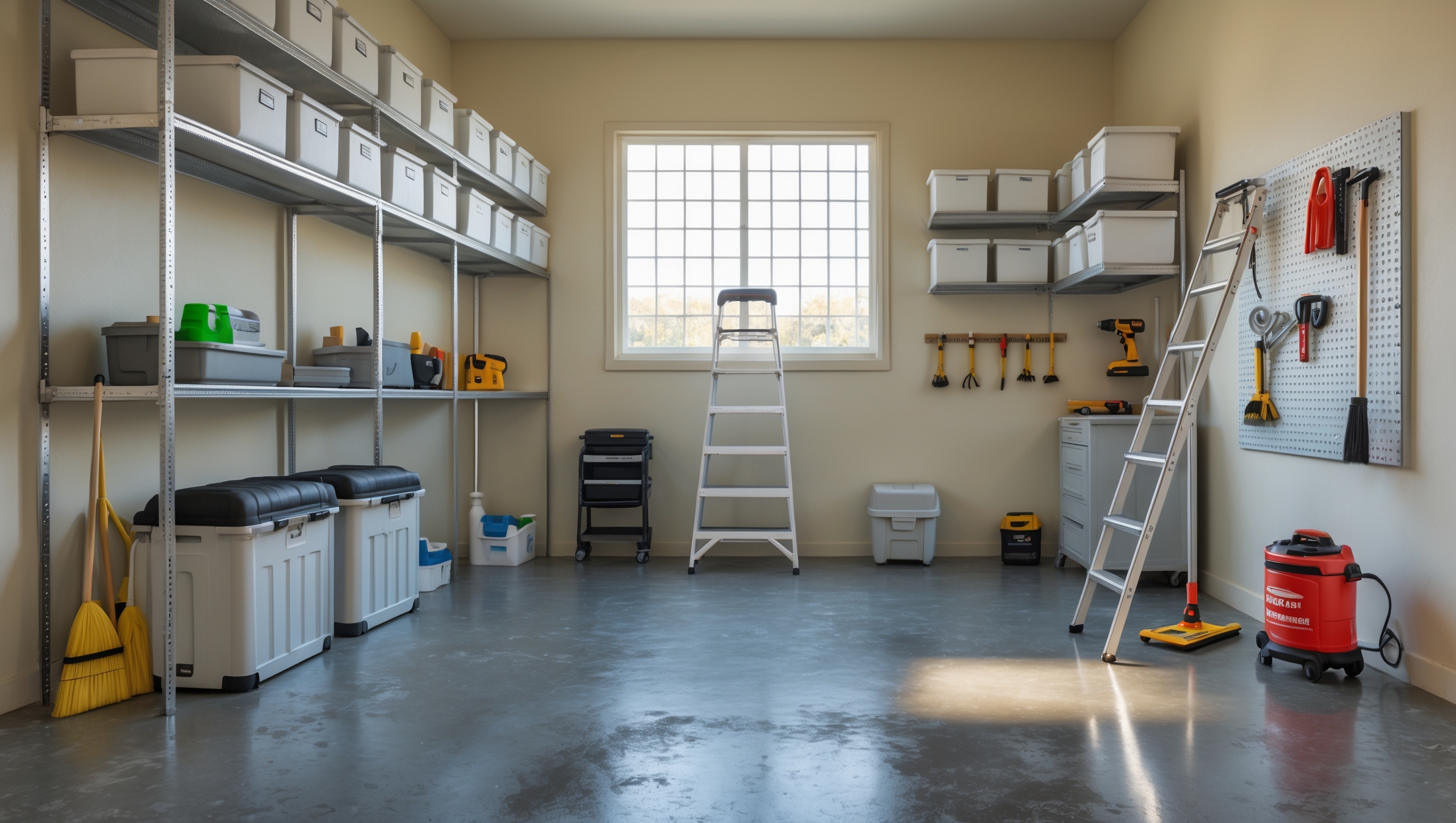
Efficient organization prevents wasted trips and lost tools. For landlords with multiple properties, consider a central storage space—such as a garage, basement, or secure storage unit—outfitted with shelving, labeled bins, and a tool chest. Invest in a portable tool bag or rolling toolbox for onsite work.
Property-Specific Kits
For larger portfolios, create property-specific kits with essential tools, spare filters, light bulbs, and touch-up paint. Store these in locked owner’s closets or maintenance rooms to minimize travel and ensure quick response to tenant requests.
Scaling Your Toolkit as You Grow
Adding Specialty Tools
As your property holdings expand, so will your maintenance needs. Consider specialty tools such as a drain camera, drywall repair kit, or carpet stretcher for multifamily units. Invest in a quality ladder, stud finder, and advanced diagnostic tools to support more complex repairs in larger properties.
Hiring Maintenance Help
If you transition to hiring maintenance staff, upgrade to commercial-grade equipment and implement inventory tracking to prevent loss and ensure accountability. Provide staff with safety training and clear guidelines on tool use and storage.
Maintenance Best Practices: Using Your Tools Effectively
Routine Inspection and Preventive Care
Schedule regular walkthroughs using your toolkit to catch minor issues before they become costly repairs. Maintain a checklist—test smoke and carbon monoxide detectors, inspect plumbing for leaks, check for HVAC filter changes, and review exterior conditions. Log findings and repairs in your maintenance tracking app for documentation and planning.
Responding to Emergencies
Preparation is key. Keep essential tools in an easily accessible kit for after-hours calls: flashlight, pliers, pipe wrench, voltage tester, and first aid supplies. Establish a reliable network of local suppliers and rental centers for fast access to equipment during urgent repairs.
Legal and Compliance Considerations
Local Codes and Safety Standards
Stay updated on local housing codes, safety standards, and permissible landlord repairs. Some electrical and plumbing work may require licensed professionals. Use tools for inspection and troubleshooting, but know when to call in certified contractors to remain compliant and avoid liability.
Insurance and Liability
Keep records of all maintenance and repairs performed, including tools used and parts replaced. These records are invaluable for insurance claims and legal compliance. Ensure that your insurance policy covers landlord-performed repairs and tool storage, especially if you maintain a dedicated workspace.
Conclusion: The Value of Being a Well-Equipped Landlord
Every landlord faces challenges—leaky faucets, sudden appliance failures, or seasonal upkeep. Having the right tools and equipment empowers you to address issues proactively, saving money and minimizing tenant disruptions. Equally important are smart organization, budgeting for quality over quantity, and knowing when to rent or call in specialists. As your experience grows, refine your toolkit, invest in technology that streamlines management, and stay compliant with local regulations. Your properties—and your tenants—will benefit from your preparedness and professionalism.
Ultimately, a landlord’s toolkit is more than a box of hammers and wrenches; it’s a foundation for efficient, responsive property management. With the guidance in this article, you can build a toolkit tailored to your property portfolio, anticipate maintenance needs, and foster positive tenant relationships. Take the time to evaluate your current setup, prioritize essential additions, and implement organizational systems that match your workflow. The investment in the right tools is an investment in your property’s value and your peace of mind as a real estate professional.
2 thoughts on “Essential Real Estate Tools and Equipment: A Landlord’s Practical Guide”
Leave a Reply

Related Posts

Real Estate Drainage Solutions: Budgeting, Installation, and Maintenance for Property Owners

Understanding Real Estate Pest Control: Prevention, Costs, and Compliance for Property Owners

Could you share more about budget-friendly options for building a starter landlord tool kit? I’m just getting into property management and want to know which tools are worth spending a bit more on versus where it’s okay to save.
For a starter landlord tool kit, it’s smart to invest a bit more in a quality cordless drill and a sturdy set of screwdrivers since you’ll use them often. For items like a tape measure, pliers, and a utility knife, budget-friendly options work well. You can also get affordable sets for things like Allen wrenches and a level. Start basic and add specialized tools as needed for your properties.