
Real Estate Fire Safety: A Complete Prevention and Maintenance Checklist for Property Owners
Introduction: The High Stakes of Fire Safety in Real Estate
Fire safety is a non-negotiable responsibility for every property owner. Beyond the obvious threat to life and property, a single fire incident can result in devastating financial losses, legal liabilities, and a tarnished reputation—especially for landlords and real estate investors managing multiple units. Yet, fire prevention often receives less attention compared to other property management tasks. This oversight can lead to costly mistakes, from non-compliance fines to insurance claim denials. Understanding and implementing a comprehensive fire safety strategy is not just about meeting legal requirements; it’s about protecting your investment, your tenants, and your peace of mind. This guide delivers a detailed, actionable checklist for real estate owners to proactively prevent fires, maintain systems, and ensure ongoing compliance—whether you manage a single-family home, a multifamily building, or a portfolio of properties. Let’s break down the critical components of fire safety, highlight best practices, and outline a step-by-step approach to safeguarding your real estate assets against one of the most preventable threats.
Understanding Fire Risk in Real Estate Properties
Common Causes of Property Fires
To build an effective fire safety plan, start by understanding the most frequent sources of residential and commercial fires:
- Electrical faults: Outdated wiring, overloaded circuits, and faulty appliances.
- Cooking: Unattended stoves, grease build-up, and improper appliance use.
- Heating equipment: Space heaters placed near flammable items, poorly maintained furnaces.
- Smoking: Cigarettes improperly discarded indoors or on balconies.
- Arson or accidental ignition: Including candles, grills, or matches.
Understanding these risks allows property owners to prioritize prevention measures and educate tenants about safe practices.
Fire Safety Compliance: What Every Owner Must Know
Legal Requirements and Codes
Fire safety compliance varies by jurisdiction, but core requirements typically include:
- Working smoke detectors on each floor and in every bedroom.
- Carbon monoxide detectors, especially near sleeping areas and fuel-burning appliances.
- Accessible and clearly marked fire exits.
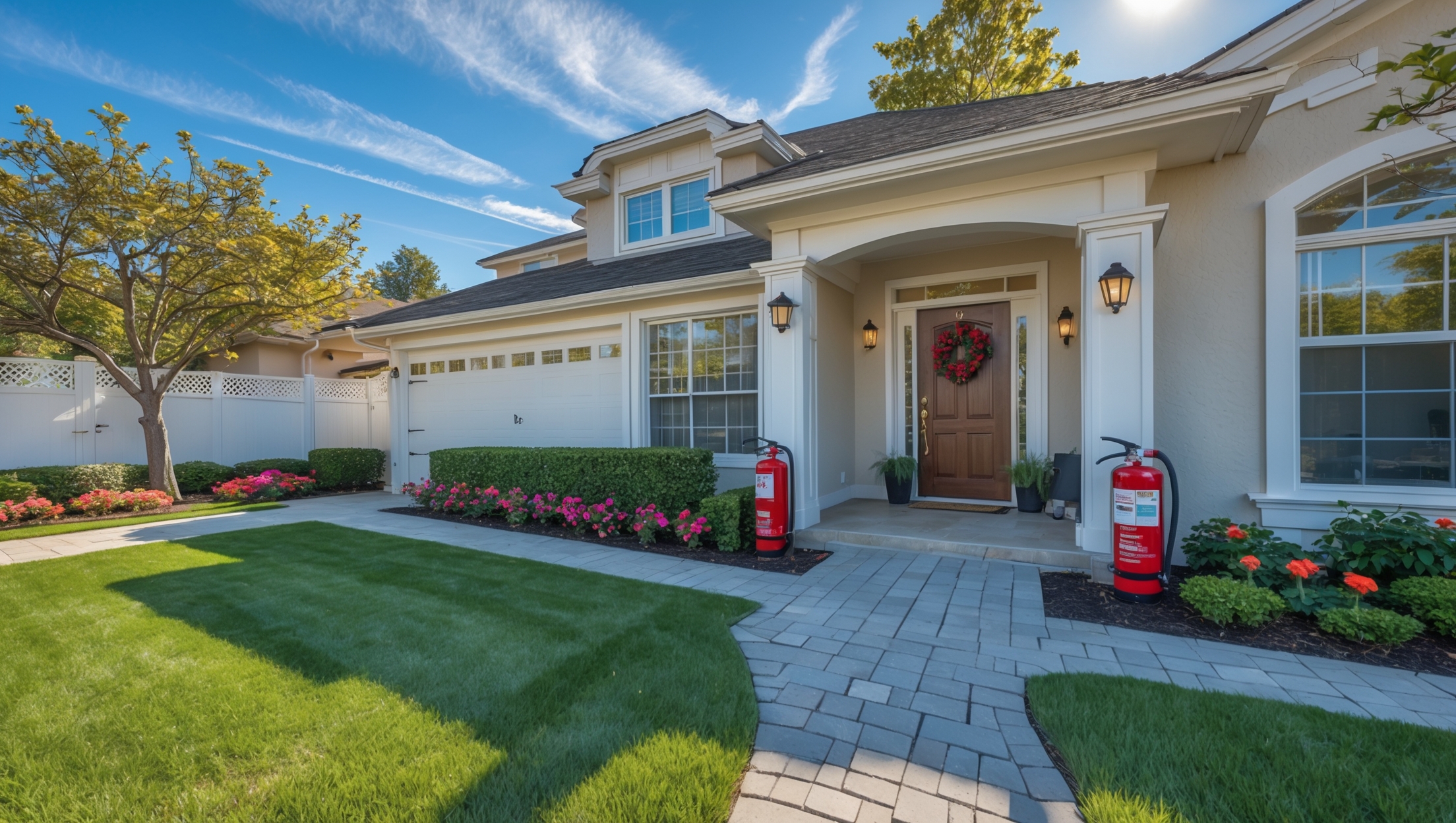
- Fire extinguishers placed strategically throughout the property.
- Annual fire safety inspections and record-keeping.
Consult your local fire department or building authority for the most up-to-date requirements. Ignoring compliance can result in fines, insurance coverage issues, and increased liability.
Documentation and Permits
Maintain a dedicated file for fire safety documents, including:
- Inspection reports
- Maintenance logs for alarms and extinguishers
- Evacuation plans
- Permits for fire alarm or sprinkler system installation
Proper documentation is crucial for both regulatory compliance and smooth insurance claims.
Fire Detection Systems: Selection, Installation, and Maintenance
Smoke and Carbon Monoxide Detectors
Install detectors in accordance with national and local codes:
- One in every sleeping area, outside each sleeping area, and on every level of the property (including basements).
- Choose interconnected detectors whenever possible; when one sounds, all sound.
- Install CO detectors near each sleeping area and on every level with fuel-burning appliances.
Routine Testing and Replacement
- Test all detectors monthly using the test button.
- Replace batteries at least once a year, or immediately when the low-battery chirp sounds.
- Replace smoke detectors every 10 years and CO detectors per manufacturer guidelines (usually every 5-7 years).
- Log all tests and replacements with dates and locations.
Upgrading for Enhanced Safety
For multifamily and high-value properties, consider advanced systems:
- Smart detectors with smartphone alerts
- Monitored alarm systems connected to emergency services
- Photoelectric and ionization sensor combinations for broader detection
Fire Suppression Equipment: Extinguishers and Sprinklers
Choosing the Right Fire Extinguishers
Not all extinguishers are created equal. Use:
- ABC-rated extinguishers: Effective for most household fires (trash, wood, paper, liquids, and electrical equipment).
- At least one extinguisher per floor, with additional units in kitchens, laundry rooms, and garages.
- Mount at visible, accessible locations near exits—not inside cabinets or closets.
Fire Extinguisher Maintenance
- Check pressure gauges monthly; the needle should be in the green zone.
- Ensure safety pins and tamper seals are intact.
- Replace or professionally service extinguishers every 5-12 years, according to manufacturer and local regulations.
- Train tenants or residents on basic extinguisher use (PASS: Pull, Aim, Squeeze, Sweep).
Sprinkler Systems
While not required in most single-family homes, sprinklers are essential for multifamily, commercial, and some renovated properties. Benefits include:
- Automatic fire suppression even if the property is vacant
- Potential insurance discounts
- Higher tenant safety and property value
Schedule annual inspections by certified professionals, check for visible leaks or corrosion, and never block sprinkler heads with furniture or decor.
Fire Prevention Strategies for Real Estate Owners
Electrical Safety Measures
- Schedule periodic inspections by licensed electricians—especially in older properties.
- Upgrade outdated wiring, panels, and outlets to meet current codes.
- Install arc-fault circuit interrupters (AFCIs) and ground-fault circuit interrupters (GFCIs) where required.
- Discourage the use of extension cords as permanent wiring.
Heating and Cooking Precautions
- Have all heating systems serviced annually by qualified technicians.
- Install metal or glass screens in front of fireplaces.
- Provide fire-safe containers for fireplace ashes and ensure proper disposal.
- Educate tenants on safe cooking practices: never leave stoves unattended, keep flammable items away from burners, and regularly clean range hoods and filters.
Outdoor and Common Area Fire Safety
- Maintain clear, debris-free perimeters around properties, especially in wildfire-prone regions.
- Store grills, propane tanks, and combustible materials at least 10 feet from structures.
- Ensure all outdoor electrical outlets and lighting are weatherproof and GFCI-protected.
- Post clear signage for emergency exits and fire lanes in multifamily buildings.
Tenant and Resident Education
- Provide written fire safety guidelines with every new lease or property orientation.
- Host annual fire drills in multifamily properties to familiarize all residents with evacuation procedures.
- Encourage reporting of malfunctioning alarms, blocked exits, or unsafe conditions.
Maintenance Best Practices: Your Fire Safety Checklist
Monthly Tasks
- Test all smoke and CO detectors.
- Inspect fire extinguisher gauges and seals.
- Check that all exits, hallways, and stairwells are clear of obstructions.
Quarterly Tasks
- Clean dryer vents and exhaust ducts.
- Trim overgrown vegetation near the property.
- Review and update tenant fire safety information.
Annual Tasks
- Replace smoke and CO detector batteries (if applicable).
- Schedule professional inspection of heating systems, electrical panels, and sprinkler systems.
- Conduct a comprehensive fire safety audit—review all documentation, signage, and emergency plans.
- Service or replace fire extinguishers as required.
Additional Preventive Measures
- Install fire-rated doors in required areas to slow fire spread.
- Apply fire-retardant treatments to attic insulation and drapes in common areas.
- Regularly inspect and maintain emergency lighting and illuminated exit signs.
Responding to Incidents: Preparedness and Recovery
Emergency Action Plans
- Develop and post evacuation routes on each floor and in every unit.
- Designate a safe meeting location outside the property.
- Ensure all tenants know how to contact emergency services and building management.
Post-Incident Response
If a fire occurs:
- Prioritize safety—do not re-enter a property until cleared by authorities.
- Document damage with photos and written notes.
- Contact your insurance provider immediately to start the claims process.
- Schedule professional restoration and remediation services to address fire, smoke, and water damage.
- Review and update fire safety protocols post-incident based on lessons learned.
Fire Safety Insurance: Ensuring Proper Coverage
Policy Review and Upgrades
- Verify that your policy covers fire, smoke, and water damage, as well as loss of rental income.
- Consider additional endorsements for high-value properties or unique risks (such as wildfire zones).
- Maintain an up-to-date inventory of property contents and improvements for claims support.
Coordination with Compliance
Most insurers require documented proof of fire safety compliance. Keep detailed records of all systems, maintenance, and upgrades to avoid claim denials and secure the best possible rates.
Conclusion: Protecting Your Investment with Proactive Fire Safety
Fire safety is not a one-time task—it’s an ongoing commitment that requires diligence, documentation, and awareness. As a property owner, your approach to fire prevention and maintenance can mean the difference between a minor inconvenience and catastrophic loss. This comprehensive checklist is your roadmap to proactive fire protection: from understanding your legal obligations and installing the right detection systems, to maintaining suppression equipment and cultivating a safety-first culture among tenants. By integrating these practices into your regular property management routine, you not only reduce the risk of fire but also enhance your asset’s value, tenant satisfaction, and long-term profitability. Remember, the financial impact of even a small fire can far exceed the cost and effort of prevention. Start today—review your current protocols, address any gaps, and make fire safety a visible priority at your properties. Your investment, your tenants, and your peace of mind are worth it.
4 thoughts on “Real Estate Fire Safety: A Complete Prevention and Maintenance Checklist for Property Owners”
Leave a Reply

Related Posts
How to Set Up a Secure Smart Lock System in Rental Properties: Step-by-Step Guide and Maintenance Tips

Real Estate Water Damage Prevention: Best Practices, Costs, and Inspection Guide
You mention that electrical faults and outdated wiring are common causes of property fires. For older buildings, what are some cost-effective ways to assess and upgrade wiring without needing a full electrical overhaul?
For older buildings, you can start by having a licensed electrician perform an inspection to identify specific problem areas rather than replacing all the wiring. Focus on upgrading key components like old circuit breakers, outlets, and visible wiring in high-risk areas. Installing arc-fault circuit interrupters (AFCIs) and upgrading fuse boxes are also cost-effective steps. Targeted upgrades based on inspection results let you improve safety without the expense of a full overhaul.
As someone just getting started with rental properties, I’m a little overwhelmed by the compliance side of fire safety. Are there common mistakes beginners make when trying to meet legal fire prevention requirements for multi-unit buildings?
It’s common for new landlords to overlook things like regular smoke alarm testing, proper placement of fire extinguishers, and keeping clear, accessible escape routes. Sometimes owners forget that local codes may require annual inspections or specific safety signage. Paying close attention to these details and familiarizing yourself with regulations for multi-unit buildings will help you avoid compliance issues and ensure your tenants’ safety.