
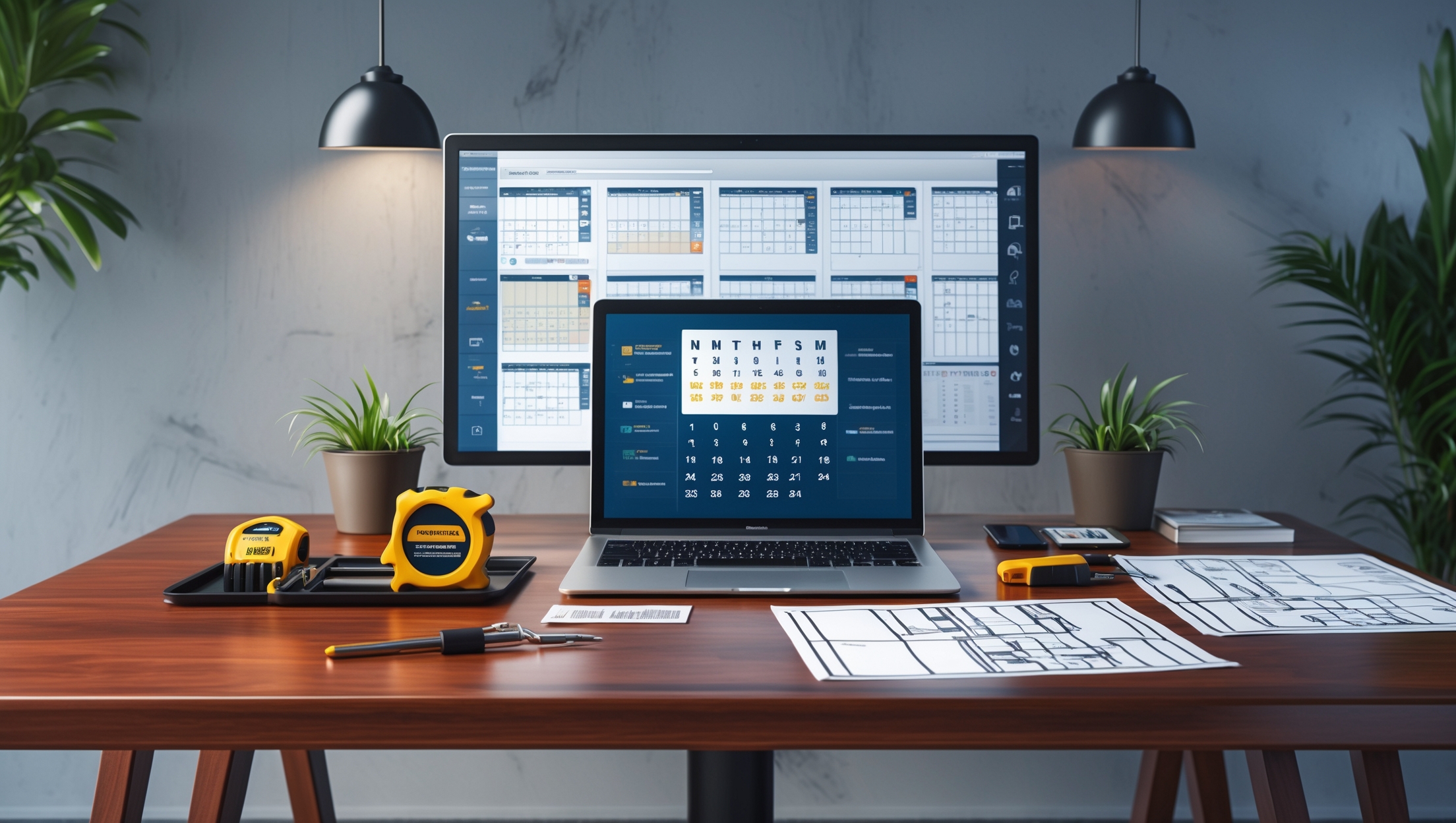
How to Set Up a Real Estate Maintenance Calendar: Step-by-Step Guide for Landlords and Owners
Introduction: Why a Maintenance Calendar is Essential for Real Estate Success
Maintaining real estate is not just about fixing issues as they arise—it’s about preventing problems before they start. Whether you own a single rental property or manage a portfolio of buildings, an organized approach to maintenance is crucial for preserving property value, ensuring tenant satisfaction, and minimizing unexpected costs. One of the most effective tools for achieving this is a real estate maintenance calendar. This calendar acts as a proactive roadmap, enabling you to schedule, track, and optimize every aspect of property upkeep. Instead of scrambling to handle emergencies, you can anticipate needs, budget more accurately, and even extend the lifespan of your property’s major systems. In this comprehensive guide, you’ll discover how to set up a maintenance calendar from scratch, what tools to use, how to tailor it to your property type, and the best practices to follow for long-term success. If you’re ready to transform the way you manage maintenance, reduce stress, and boost your real estate returns, read on.
Understanding the Purpose and Benefits of a Maintenance Calendar
Why Go Beyond Reactive Repairs?
Many property owners fall into the trap of addressing issues only when tenants report them. While this approach may work in the short term, it inevitably leads to higher repair bills, dissatisfied tenants, and potentially significant property damage. A maintenance calendar flips the script, allowing you to take control through preventive care. It provides a structured overview of what needs to be done and when, reducing the risk of forgotten tasks and overlooked systems.
Key Benefits
- Cost Savings: Scheduled maintenance helps catch small issues before they escalate, saving money on major repairs.
- Increased Property Value: Well-maintained properties retain their value and attract quality tenants.
- Compliance: Certain checks (like fire alarms and safety systems) are required by law. A calendar ensures nothing slips through the cracks.
- Tenant Satisfaction: Proactive care leads to fewer complaints and higher retention rates.
- Smoother Operations: Maintenance staff and vendors can be coordinated more efficiently.
Step 1: Inventory Your Property’s Maintenance Needs
Create a Comprehensive Property Checklist
Begin by conducting a thorough walkthrough of your property or properties. List every system, appliance, and area that requires regular attention. This includes:
- HVAC systems (heating, ventilation, air conditioning)
- Plumbing (pipes, water heaters, sump pumps)
- Electrical (panels, outlets, light fixtures)
- Exterior (roof, siding, gutters, windows, doors)
- Common areas (hallways, lobbies, laundry rooms)
- Safety systems (smoke detectors, fire extinguishers, emergency exits)
- Landscaping (lawns, trees, irrigation systems)
- Appliances (stoves, refrigerators, washers/dryers)
- Parking areas and driveways
For each item, note the manufacturer’s recommended maintenance frequency, any compliance-related inspections, and unique factors based on your property’s location or tenant profile.
Step 2: Determine Maintenance Frequencies
Annual, Seasonal, and Monthly Tasks
Maintenance tasks can be grouped by how often they need to be performed:
- Annual: Roof inspections, boiler servicing, exterior painting, major appliance checkups.
- Seasonal: Gutter cleaning in spring and fall, HVAC filter changes before heating/cooling seasons, winterizing irrigation.
- Monthly: Testing smoke and carbon monoxide detectors, checking for leaks, inspecting common areas.
- As Needed: Light bulb replacements, minor repairs, addressing tenant-reported issues.
Assign each task a frequency based on manufacturer guidelines, local climate, and property specifics. Consult with trusted vendors or maintenance professionals if you’re uncertain about best practices.
Step 3: Choose Your Maintenance Calendar Tools
Digital vs. Paper Calendars
While traditional paper calendars can suffice for small portfolios, digital solutions offer superior organization, reminders, and scalability. Consider these options:
- Spreadsheets (Excel, Google Sheets): Flexible and customizable, ideal for tracking multiple properties.
- Digital Calendars (Google Calendar, Outlook): Set recurring events and automatic reminders; share with your team or vendors.
- Property Management Software (Buildium, AppFolio, Rentec Direct): Designed for landlords and managers, with built-in maintenance scheduling, ticketing, and vendor management.
Key Features to Look For
- Recurring task scheduling
- Automatic reminders/notifications
- Attachment support (manuals, photos, receipts)
- Mobile access
- Team collaboration
- Integration with tenant portals (for larger operations)
Step 4: Populate Your Maintenance Calendar
Inputting Tasks and Assigning Responsibility
Transfer your list of tasks into your chosen calendar tool. For each task, include:
- Task description: E.g., “Inspect HVAC system.”
- Frequency: Monthly, quarterly, annually, etc.
- Assigned person or vendor: Who is responsible for completion?
- Relevant notes: Access instructions, warranty details, compliance requirements.
- Deadline or target date: Especially for tasks with legal or safety implications.
Use your tool’s color-coding or labeling features to distinguish between types of tasks or urgency levels. If using digital calendars, set up automatic reminders a few days in advance of each task deadline.
Step 5: Integrate Compliance and Safety Requirements
Never Overlook Legal Obligations
Failure to comply with local, state, or national safety regulations can result in fines, legal liability, or even forced closures. Ensure your calendar includes:
- Smoke and carbon monoxide detector testing (typically every month or quarter)
- Fire extinguisher inspections (usually annually)
- Elevator and lift inspections (as required by code)
- Pool safety checks (if applicable)
- Lead paint and asbestos checks (for older properties)
Consult your local housing authority or a real estate attorney for a full list of required inspections and their recommended intervals. Document all completed compliance checks for your records.
Step 6: Budgeting for Maintenance Tasks
Forecasting Costs and Preventing Surprises
Allocate budget lines for both routine and unexpected maintenance. For each scheduled task, estimate the expected cost and note it in your calendar or maintenance tracking system. Over time, this data helps you:
- Identify high-cost items and plan for replacements or upgrades
- Negotiate better rates with vendors for recurring services
- Ensure you have a reserve fund for emergency repairs
Consider setting aside 1%–2% of your property value annually for maintenance, with adjustments for property age and condition.
Step 7: Communicate with Tenants and Vendors
Transparency and Coordination
Inform tenants in advance about upcoming maintenance, especially if it will affect their access or comfort. Use email, SMS, tenant portals, or posted notices. For larger or multi-unit properties, consider monthly or quarterly newsletters summarizing upcoming work.
Share relevant calendar entries with trusted vendors and contractors. Many maintenance software platforms allow you to assign tasks directly and track completion. Clear communication minimizes misunderstandings and ensures smoother operations.
Step 8: Monitor, Adjust, and Improve
Review Performance and Update Regularly
At least twice a year, review your maintenance calendar and adjust as needed. Look for:
- Missed or repeatedly delayed tasks
- Recurring issues indicating systemic problems
- Changes in compliance requirements
- Opportunities for cost savings or process improvements
Solicit feedback from tenants and maintenance staff. Are there tasks that could be bundled together? Are vendors meeting expectations? Use these insights to refine your calendar and procedures for the next cycle.
Advanced Tips for Multi-Property Owners
Scaling Your Calendar for Multiple Properties
- Use property codes or tags in your digital calendar to differentiate tasks by location.
- Centralize documentation—store manuals, warranties, and vendor contacts in a shared drive or property management platform.
- Consider hiring a dedicated maintenance coordinator as your portfolio grows.
- Regularly audit your process for efficiency and compliance as regulations or portfolio composition change.
Leveraging Automation and Analytics
Advanced property management tools can analyze maintenance history, predict future needs, and even automate vendor scheduling. Explore integration options with accounting and tenant management systems for a seamless workflow.
Common Mistakes to Avoid
- Overloading the calendar: Be realistic about resources; stagger major tasks.
- Failing to document: Keep detailed records for warranty, compliance, and budgeting purposes.
- Ignoring tenant feedback: Tenants often spot problems early—take their concerns seriously.
- Neglecting seasonal adjustments: Tailor your calendar to local weather patterns and property needs.
Conclusion: Turning Maintenance Into a Competitive Advantage
Implementing a robust real estate maintenance calendar is more than an organizational exercise—it’s a strategic investment in your property’s future. By proactively scheduling and tracking every aspect of property care, you minimize the risk of costly emergencies, comply with legal requirements, and provide a superior living experience for your tenants. This approach not only preserves your asset’s value but can also set you apart in a competitive rental market, attracting higher-quality tenants and commanding better rents. Remember, the key to success is consistency: review and refine your calendar regularly, stay abreast of compliance obligations, and leverage technology to streamline your process. Whether you’re managing a single-family rental or a complex portfolio, the right maintenance calendar transforms property management from a reactive scramble into a smooth, value-driven operation. Start today—and watch your stress decrease while your investment’s performance improves.
28 thoughts on “How to Set Up a Real Estate Maintenance Calendar: Step-by-Step Guide for Landlords and Owners”
Leave a Reply

Related Posts
Real Estate Electrical Inspections: Step-by-Step Process, Compliance, and Cost Breakdown

How to Prepare a Real Estate Property for Wildfire Season: Prevention, Compliance, and Essential Upgrades
When setting up a maintenance calendar for multiple properties, do you recommend using one comprehensive digital tool for everything, or is it better to keep separate calendars for each property? I’m curious about managing reminders and task tracking efficiently.
Using a single comprehensive digital tool is usually more efficient, especially if it allows you to organize tasks by property within the same platform. Many property management tools let you filter or view tasks per property, which simplifies reminders and task tracking without needing separate calendars. This approach reduces the risk of missing tasks and keeps everything centralized, but if you have very different schedules or teams for each property, separate calendars might work better.
Can you share examples of common maintenance tasks that should go on the calendar for older rental homes? I have several properties built before 1980 and want to make sure I’m not missing anything essential for those.
For older rental homes, it’s important to include tasks like annual roof inspections, checking for plumbing leaks, servicing or replacing old water heaters, inspecting electrical wiring, cleaning gutters, and testing smoke and carbon monoxide detectors. You should also have regular pest inspections and ensure any lead paint or asbestos risks are managed properly. These steps help prevent bigger issues and keep your properties safe.
How much time would you say it actually takes to set up a good maintenance calendar from scratch? Is it realistic for someone with a full-time job to manage this on their own, or does it require hiring extra help?
Setting up a maintenance calendar from scratch usually takes a few hours, especially if you gather property details and maintenance needs beforehand. For someone with a full-time job, it’s very manageable on your own, especially using digital tools or templates. Ongoing management takes less time—just a quick review each month. Hiring extra help isn’t necessary unless you have multiple properties or a very busy schedule.
After setting up a maintenance calendar, what’s the best way to make sure I actually stick to it throughout the year? I tend to procrastinate with DIY stuff and don’t want things to slip through the cracks.
To stay on track with your maintenance calendar, try setting recurring reminders on your phone or calendar app for each task. Breaking bigger jobs into smaller, manageable steps can also help prevent overwhelm. If possible, schedule maintenance tasks at the same time each year or month so they become routine. Some landlords also find it helpful to set aside a fixed day, like the first Saturday each month, purely for property upkeep. This consistency can make it much easier to follow through and avoid procrastination.
The article mentions budgeting more accurately with a maintenance calendar. Do you have any tips on how to estimate maintenance costs over a year, especially for someone who is managing their first rental property?
To estimate annual maintenance costs for your first rental, a common approach is to set aside 1-2% of the property’s value each year. Track past expenses if possible, and consider creating a list of routine tasks from your maintenance calendar—like HVAC servicing, gutter cleaning, and minor repairs—then research local service rates for each. Don’t forget to plan for occasional big-ticket items like appliance replacement. Keeping detailed records will improve your estimates over time.
You mentioned compliance with things like fire alarms and safety systems. Is there a checklist in your guide for what legally needs regular maintenance, or should I consult local codes separately?
The guide includes general suggestions for regular maintenance tasks, but it doesn’t offer a detailed legal compliance checklist. Because requirements can vary widely depending on your location, it’s wise to consult your local building codes or a legal expert to make sure you’re meeting all the necessary standards for fire alarms and safety systems.
If I’m just starting with a single rental property, what are some simple digital tools or apps you recommend to create and manage a maintenance calendar without feeling overwhelmed?
For a single rental property, you might find Google Calendar or Microsoft Outlook Calendar very handy—they let you set recurring reminders for tasks like inspections or filter changes. Another easy option is an app like Todoist, where you can create a dedicated maintenance project and set due dates for each task. These options keep things simple and help you stay organized without needing complex property management software.
Can you share some examples of cost-effective preventive tasks that have helped you avoid expensive repairs? I’m trying to get a clearer idea of what should be prioritized on the calendar to maximize savings.
Absolutely, prioritizing cost-effective preventive tasks can make a big difference. A few examples include scheduling seasonal HVAC filter changes, cleaning gutters to prevent water damage, testing smoke and carbon monoxide detectors, checking for leaks under sinks, and flushing water heaters to prevent sediment buildup. These simple tasks are affordable and, when done regularly, can help you avoid much larger repair bills down the road.
For someone who owns just one small property, is it worth setting up a full maintenance calendar, or would a simpler system work just as well?
For a single small property, a simpler system can definitely be effective. You might just need a basic checklist or set reminders on your phone or calendar for routine tasks like HVAC filter changes or seasonal inspections. The full maintenance calendar shown in the article is great for larger portfolios, but feel free to scale it down to fit your needs.
What tools or apps do you recommend for setting up a real estate maintenance calendar? Are there any that make it easy to share reminders with a spouse or property manager?
For setting up a real estate maintenance calendar, apps like Google Calendar and Microsoft Outlook are popular because they let you set recurring reminders and easily share events with others, such as a spouse or property manager. Property management apps like Buildium, AppFolio, and Cozy also offer maintenance tracking with shared access for teams. Choose based on your needs—general calendar apps work well for simple reminders, while property management software adds more specialized features.
Could you clarify what kinds of checks are typically required by law, like fire alarms or safety systems, and how I can incorporate those compliance deadlines into my maintenance schedule?
Legal requirements often include annual checks of smoke and carbon monoxide alarms, regular servicing of gas appliances, and inspections of fire extinguishers and emergency exits, depending on your local laws. To stay compliant, list each required check with its legal deadline on your maintenance calendar and set reminders ahead of time so you can schedule inspections before they’re due.
Sometimes my tenants report issues really late, which makes me nervous about missing hidden problems. Does your guide cover how often I should proactively inspect properties, or any tips for setting realistic inspection intervals on the calendar?
Yes, the guide does discuss the importance of routine inspections and suggests how often you should conduct them. It recommends setting up a regular inspection schedule on your maintenance calendar—typically every 3 to 6 months. This helps catch issues early and reassures both you and your tenants that the property is being well cared for.
If a property owner has mostly reacted to tenant-reported issues in the past, what’s the best way to transition to a preventative approach without overwhelming themselves or their staff with too many new tasks at once?
To ease into a preventative maintenance approach, start by identifying a few high-priority items that commonly cause problems—like heating, plumbing, or roof inspections—and schedule those at manageable intervals. Gradually add other tasks over time as routines settle in. Using a simple calendar or maintenance software can help track tasks and avoid feeling overwhelmed. Consistent small steps are more sustainable than trying to do everything at once.
Can you suggest any specific tools or software that make setting up and tracking a maintenance calendar easier for a landlord who’s just starting out with one rental property?
For a landlord with one rental property, simple tools like Google Calendar or Microsoft Outlook can work well for scheduling and reminders. If you’d like something more tailored, consider property management apps such as Buildium, TenantCloud, or AppFolio. These options help organize tasks, set recurring reminders, and keep maintenance records, making it easier to stay on top of everything.