
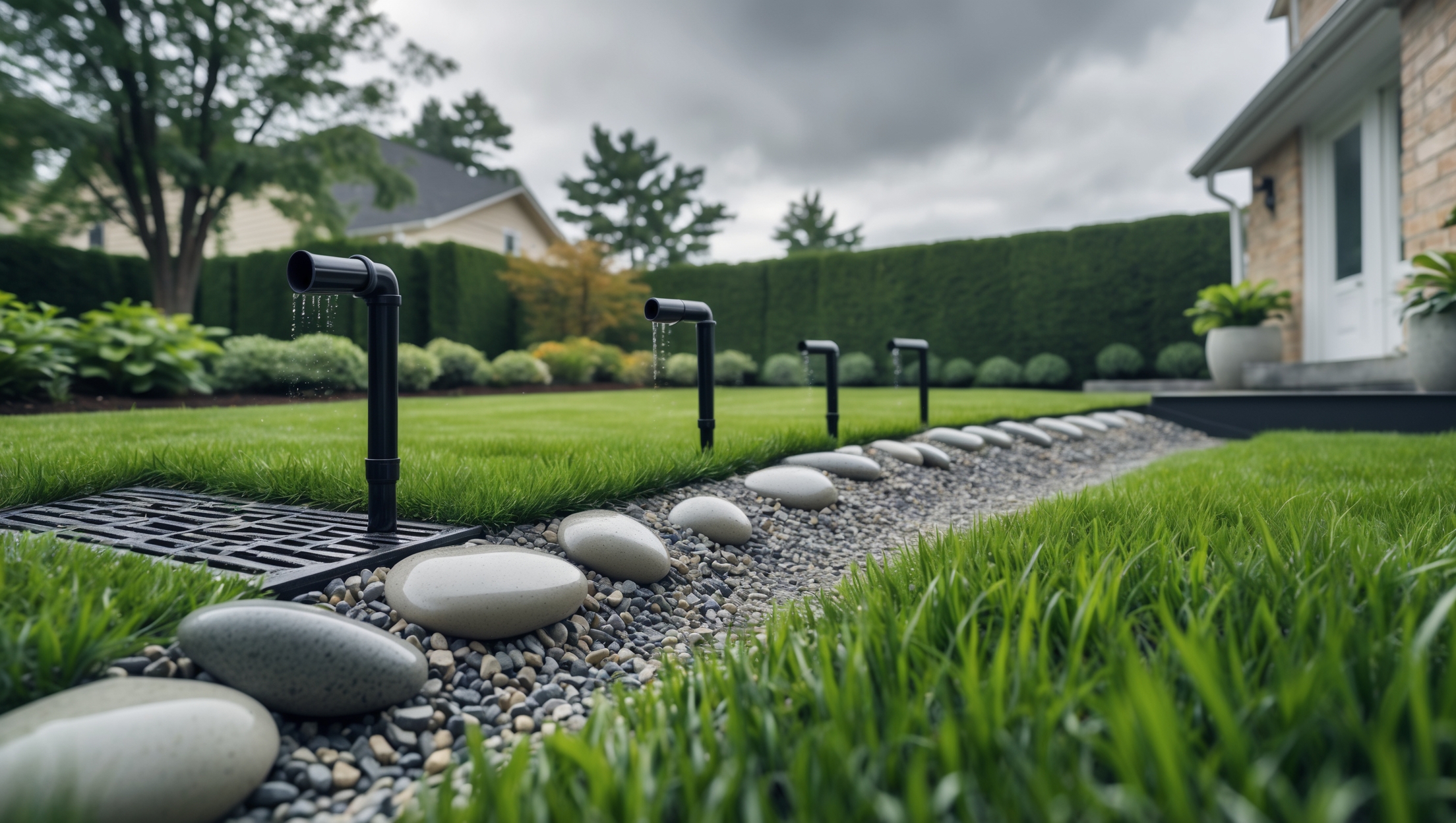
Real Estate Drainage Solutions: Preventing Water Damage and Compliance Issues
Introduction: Why Drainage Matters in Real Estate
Water is one of real estate’s stealthiest threats. Poor drainage can silently undermine foundations, destroy landscaping, encourage mold, and trigger costly compliance headaches. For property owners and investors, effective drainage is more than a construction concern—it’s a linchpin of asset protection, regulatory adherence, and long-term property value. Yet, many overlook drainage until disaster strikes: a flooded basement, eroded yard, or a letter from the local code enforcement office.
This comprehensive guide demystifies the essentials of real estate drainage. Whether you’re managing a single rental, developing a subdivision, or stewarding a commercial property, you’ll find actionable strategies to assess vulnerabilities, implement robust solutions, avoid common legal pitfalls, and budget for ongoing maintenance. We’ll cover drainage system types, compliance with local ordinances, cost expectations, and best practices for both new and existing properties. With practical advice grounded in real-world scenarios, you’ll gain the insight to safeguard your investment—before water becomes your biggest problem.
Understanding Drainage Risks in Real Estate
The Consequences of Poor Drainage
- Foundation Damage: Persistent standing water or improper runoff can crack or shift building foundations, leading to expensive repairs.
- Basement Flooding: Inadequate grading or blocked drainage systems often result in basement leaks or even major floods.
- Landscape Erosion: Uncontrolled water flow strips away soil, damages plantings, and destabilizes retaining walls.
- Mold and Mildew: Damp environments facilitate hazardous mold growth, threatening health and property value.
- Legal and Compliance Issues: Improper drainage can violate municipal codes, spark neighbor disputes, and result in fines.
Key Risk Factors
- Lot Topography: Sloped lots, low-lying areas, and properties near water bodies are naturally more vulnerable.
- Soil Composition: Clay-heavy soils retain water, while sandy soils drain quickly but may cause erosion.
- Building Age and Design: Older structures may lack modern drainage solutions or have degraded systems.
- Climate: Regions with heavy rainfall, rapid snowmelt, or flash storms face elevated risks.
Identifying Drainage Problems: A Step-by-Step Assessment
1. Inspect the Exterior
- Check Grading: Ensure that the soil slopes away from the foundation—ideally a 6-inch drop over the first 10 feet.
- Observe Water Flow: After rainfall, walk the property and note any pooling, soggy patches, or gullies.
- Inspect Downspouts and Gutters: Look for clogs, disconnected downspouts, or insufficient extensions that discharge water too close to the building.
2. Assess the Interior
- Check Basements and Crawlspaces: Look for water stains, efflorescence (white powdery deposits), or musty odors.
- Monitor Humidity: Use a hygrometer to detect high moisture levels, especially after storms.
3. Consult Local Drainage Maps and Flood Zones
- Review FEMA flood maps and local municipal drainage plans to understand area-specific risks.
Drainage Solutions: Tools, Techniques, and Costs
Surface Drainage Systems
- Grading: Reshaping the landscape to direct water away from structures. Cost: $500–$5,000, depending on yard size and complexity.
- Swales: Shallow, grassy ditches that guide water toward safe discharge points. Cost: $1,000–$3,000 installed.
- Catch Basins: Underground boxes that collect surface runoff and connect to drainage pipes. Cost: $250–$1,000 each, plus piping.
Subsurface Drainage Systems
- French Drains: Perforated pipes buried in gravel trenches that intercept and redirect groundwater. Cost: $2,000–$7,000 for most residential installs.
- Dry Wells: Underground chambers that temporarily hold stormwater and allow it to percolate into the soil. Cost: $1,000–$3,000 each.
- Sump Pumps: Installed in basements or crawlspaces to automatically remove accumulated water. Cost: $1,200–$2,500 including installation.
Roof and Gutter Drainage
- Gutter Maintenance: Clean at least twice per year to prevent blockages.
- Downspout Extensions: Direct water at least 6–10 feet from the foundation. Flexible or rigid piping can be buried for aesthetics and safety.
Permeable Hardscapes
- Use permeable pavers, gravel paths, or porous concrete to allow water to soak into the ground rather than run off.
Compliance and Permitting: Navigating Local Regulations
Why Compliance Is Critical
Improper drainage can violate municipal codes, especially if your solution diverts water onto neighboring properties or public land. Fines, stop-work orders, or even lawsuits can result from non-compliance. Many municipalities require permits for significant grading, French drain installation, or any work impacting stormwater management systems. Environmental regulations may also apply, especially near wetlands or protected areas.
How to Stay Compliant
- Consult Local Codes: Start with your city or county building department. Ask specifically about drainage work, stormwater systems, and grading ordinances.
- Secure Necessary Permits: Most exterior drainage projects require a site plan and official approval.
- Hire Licensed Contractors: Professionals understand local codes and can often expedite the permitting process.
- Document Your System: Maintain records of plans, permits, and inspections for future reference or resale disclosures.
Common Compliance Mistakes
- Failing to account for runoff onto adjacent lots.
- Installing non-permitted systems (e.g., DIY French drains without approval).
- Ignoring protected areas or drainage easements.
- Not updating systems after major property changes (additions, landscaping).
Budgeting for Drainage: What Real Estate Owners Should Expect
Factors Influencing Cost
- Property size and slope.
- Type and extent of drainage solution required.
- Soil composition and existing landscaping.
- Permit fees and professional labor rates in your area.
Sample Budget Scenarios
- Basic Gutter and Downspout Tune-Up: $300–$600.
- Adding a French Drain Around a Small Home: $2,500–$4,000.
- Comprehensive Lot Regrading with Swales and Catch Basins: $7,000–$20,000 for large, sloped properties.
- Annual Maintenance: Plan $200–$500 for inspections and minor repairs.
Drainage Maintenance Best Practices
Routine Inspection Checklist
- Inspect gutters and downspouts every spring and fall.
- Walk the property after heavy rainfall to spot pooling or erosion.
- Test sump pumps and backup power sources quarterly.
- Clear debris from surface drains, swales, and catch basins after storms.
- Check for signs of soil settling or shifting near foundations and retaining walls.
Maintenance Tips by System
- French Drains: Flush with a hose annually; check for clogs or silt buildup.
- Swales: Mow and clear vegetation, repair eroded sections as needed.
- Dry Wells: Inspect and clean sediment traps, confirm infiltration is still effective.
- Sump Pumps: Test float switches, clean intakes, and check discharge pipes for blockages.
Case Study: Drainage Upgrade for a Suburban Rental Property
A property investor purchased a 1960s single-family rental plagued by basement leaks and backyard flooding. Initial inspection revealed improper grading, clogged gutters, and no subsurface drainage. The owner:
- Regraded the yard for a positive slope away from the home.
- Installed new gutters and extended downspouts 10 feet from the foundation.
- Added a French drain along the rear property line and a dry well at the lowest point.
- Secured permits and passed city inspection for all alterations.
Total investment: $7,800. Result: No further water intrusion, a healthier landscape, and a property that now meets local stormwater regulations—adding value and peace of mind for both owner and tenants.
Common Drainage Myths Debunked
- Myth: “Only old houses have drainage issues.” Fact: New construction can be just as vulnerable if grading and drainage aren’t properly designed and maintained.
- Myth: “A little basement water isn’t a big deal.” Fact: Even minor leaks can lead to mold, foundation damage, and costly repairs.
- Myth: “Gutters alone are enough.” Fact: Gutters help, but without proper grading and subsurface systems, water can still reach foundations.
- Myth: “DIY fixes don’t need permits.” Fact: Unpermitted work can cause legal trouble and hinder future sales.
Tools and Equipment Guide
- Shovels and Grading Rakes: For shaping soil and creating swales.
- Laser Level: Ensures accurate slope measurements for proper drainage.
- Trencher or Auger: For digging trenches for French drains or downspout extensions.
- Drainage Pipe and Gravel: Core materials for subsurface systems.
- Sump Pump Test Kit: To verify pump operation and backup functionality.
- Inspection Camera: For checking pipe blockages and system integrity.
Professional installation often requires heavy machinery and specialized tools, but routine maintenance can be handled with basic landscaping equipment.
Conclusion: Protecting Your Investment with Smart Drainage
Drainage is a silent guardian of real estate value—too often ignored until the signs of water damage are unmistakable and expensive. Proactive drainage planning saves owners thousands in repair bills, preserves landscaping, and ensures compliance with local codes. Whether you’re buying, selling, or managing property, a well-designed drainage system is a powerful selling point and a bulwark against the unpredictable forces of nature.
Start by assessing your property’s vulnerabilities, consult local regulations, and budget for robust, code-compliant solutions. Invest in routine inspections and maintenance—especially after major storms or changes to your landscape. For complex properties or persistent issues, don’t hesitate to engage a licensed drainage contractor or civil engineer. The upfront investment in professional advice and permitted work can pay dividends in peace of mind and property longevity.
In real estate, water is both a necessity and a nemesis. Mastering drainage is not just about protecting bricks and mortar—it’s about ensuring the lasting value and livability of your investment for years to come.
22 thoughts on “Real Estate Drainage Solutions: Preventing Water Damage and Compliance Issues”
Leave a Reply

Regarding basement flooding, if someone’s already experienced a minor leak, what would you prioritize first—grading the yard, installing a sump pump, or checking for blockages? Wondering what troubleshooting steps usually give the quickest results.
If you’ve already had a minor leak, the quickest troubleshooting step is to check for blockages in gutters, downspouts, and exterior drains to ensure water is diverted away from the house. After that, grading the yard helps prevent future issues by directing runoff, but if flooding is persistent or severe, installing a sump pump provides extra protection. Start with clearing blockages, then address grading or install a sump pump based on the situation.
You mentioned compliance headaches if drainage isn’t properly handled. How do I find out which specific drainage codes or ordinances apply to a single-family residential property, and who enforces them?
To determine which drainage codes or ordinances apply to your single-family home, start by checking with your local city or county building department—they set and enforce most drainage regulations. You can also contact your local planning or public works departments for details. They’ll tell you about any specific rules, permit requirements, and who handles enforcement in your area.
You mention compliance with local ordinances is important when dealing with drainage. Are there any common mistakes business owners make when trying to bring older properties up to code, especially regarding runoff and neighbor disputes?
One common mistake is altering drainage patterns without understanding how runoff affects neighboring properties, which can lead to disputes or even legal challenges. Business owners sometimes overlook permits or fail to consult updated codes, resulting in noncompliant systems. It’s also easy to underestimate the need for proper grading or to use inappropriate materials. Consulting with local authorities and professionals before making changes helps avoid these pitfalls.
The article mentions compliance with local ordinances. How can property owners stay updated on changing drainage codes and avoid accidental violations that could lead to legal trouble or fines?
Property owners can stay updated on changing drainage codes by regularly checking their city or county government websites for updates, subscribing to local newsletters, and attending community meetings where building codes are discussed. It’s also helpful to consult with a licensed contractor or local planning department before starting any drainage work, as they’re familiar with current regulations. Keeping records of any communications and permits can also help demonstrate compliance in case of future disputes.
When it comes to compliance, how do I find out which local drainage ordinances apply to my commercial property? Any tips on what common legal pitfalls small landlords should be aware of before making improvements?
To determine which local drainage ordinances apply, contact your city or county building department—they can provide current regulations and permitting requirements. Also, check with your local planning or zoning office. Common legal pitfalls include failing to get proper permits, inadvertently redirecting water onto neighboring properties, and not meeting setback or grading requirements. Consulting a local engineer or attorney before starting improvements can help you avoid costly mistakes.
You mention budgeting for ongoing drainage maintenance. Can you provide a ballpark estimate for yearly costs on a typical suburban lot, and what tasks or checkups should definitely not be skipped?
For a typical suburban lot, yearly drainage maintenance usually ranges from $200 to $500, depending on factors like property size and local service rates. Essential tasks include cleaning gutters and downspouts, inspecting and clearing yard drains and French drains, ensuring proper grading near the foundation, and checking for any blockages or erosion. Scheduling a professional inspection every year or two can help catch problems early and may save on bigger repairs later.
You mention compliance with local ordinances as a key concern. What are some common drainage-related code violations that property owners should watch out for, and how can we stay ahead of them?
Common drainage code violations include directing runoff onto neighboring properties, blocked or undersized drains, lack of proper grading away from structures, and failing to maintain stormwater systems. To stay ahead, regularly inspect your property for standing water, clear debris from drains, and consult your local building office for up-to-date regulations. Keeping records of maintenance and any professionally completed work can also help demonstrate compliance.
I noticed you talked about maintaining drainage systems. How often should routine maintenance be done for things like gutters, French drains, or surface drains to prevent issues like basement flooding?
For most homes, gutters should be cleaned at least twice a year—typically in the spring and fall. French drains and surface drains should be inspected and cleared of debris at least once a year, but more frequent checks are recommended if you notice heavy rainfall or nearby tree roots. Regular maintenance helps prevent blockages and reduces the risk of basement flooding.
I manage a couple of older rental homes and want to make sure I’m compliant with local drainage ordinances. Can you clarify what specific legal standards or inspections I should look out for to avoid fines or code violations?
To stay compliant, check your local municipality’s drainage codes—these usually cover proper grading, gutter and downspout requirements, stormwater management, and discharge locations. Older homes may be required to upgrade systems if they cause runoff onto neighboring properties or public walkways. Periodic inspections from a licensed drainage contractor can help identify non-compliance. Contact your city or county code enforcement office for specific inspection schedules and any recent ordinance updates.
The article briefly touches on lot topography as a risk factor. Are there specific drainage solutions best suited for sloped lots versus low-lying properties, or is the approach generally similar regardless of elevation?
Drainage solutions do vary depending on the topography. For sloped lots, you often need terraces, retaining walls, or diversion channels to direct water safely downhill without causing erosion. Low-lying properties, on the other hand, benefit more from French drains, swales, or sump pumps to remove standing water and prevent pooling. So, the approach is definitely tailored based on whether the lot is sloped or low-lying.
When budgeting for ongoing drainage maintenance as mentioned in the article, what are some typical annual costs homeowners should expect? Are there any preventative measures that provide the best value for money?
Annual drainage maintenance costs for homeowners typically range from $200 to $600, depending on property size and system complexity. Regular gutter cleaning, downspout checks, and clearing area drains are preventative measures that offer great value for money. Installing gutter guards and ensuring proper yard grading can also reduce long-term expenses by minimizing future blockages and water issues.