

Winterizing Investment Properties: A Detailed Checklist for Real Estate Owners
Introduction: Why Winterizing Investment Properties Matters
Winter can be brutal for real estate investments. Freezing temperatures, heavy snow, and harsh winds threaten the structural integrity, mechanical systems, and overall value of your property. For real estate owners, especially those managing vacant or under-occupied homes, winterization is not just a seasonal suggestion—it’s a vital risk management strategy. Failing to adequately prepare can lead to burst pipes, roof leaks, heating failures, and significant repair costs, all of which can erode returns and jeopardize tenant satisfaction or property resale value. Unlike regular home ownership, investment properties often face longer periods of vacancy, delayed maintenance, or multiple tenants with varying levels of care. This makes a proactive, thorough winterization process even more essential. In this comprehensive guide, you’ll find a step-by-step checklist tailored for real estate owners. It covers practical actions for plumbing, HVAC, roofing, insulation, exterior maintenance, and ongoing monitoring. Whether you’re overseeing a single rental or a portfolio of properties, these detailed instructions will help you prevent winter damage, reduce energy expenses, and ensure your investment remains profitable year-round.
Understanding the Risks: What Can Go Wrong in Winter
Common Winter Hazards for Investment Properties
- Burst Pipes: Water expands as it freezes, leading to pipe ruptures and severe water damage.
- Roof and Gutter Damage: Ice dams, snow accumulation, and clogged gutters can cause leaks and structural issues.
- Heating System Failures: Inadequate maintenance increases the risk of furnace or boiler breakdowns.
- Drafts and Heat Loss: Poor insulation and air leaks result in higher energy bills and uncomfortable living conditions.
- Exterior Deterioration: Paint, siding, and masonry are susceptible to cracking and moisture infiltration.
- Slip and Fall Accidents: Icy walkways and driveways pose liability risks for landlords.
Special Considerations for Investment Properties
- Vacancy Risks: Unoccupied homes are especially vulnerable to undetected issues.
- Tenant Turnover: Frequent tenant changes can result in missed maintenance steps.
- Remote Management: Owners managing properties from afar need robust systems for monitoring and emergency response.
Pre-Winter Assessment: Inspect Before You Act
Schedule a Professional Inspection
Engage a licensed home inspector or specialized contractor to conduct a thorough pre-winter assessment. Focus on key systems like plumbing, HVAC, roofing, insulation, and exterior drainage. Document all findings and prioritize repairs before the first freeze.
DIY Walkthrough Checklist
- Inspect pipes for leaks or signs of corrosion
- Check attic and crawl space insulation
- Look for missing shingles, roof damage, or blocked vents
- Test heating systems and thermostats
- Assess window and door seals for drafts
- Examine gutters and downspouts for clogs or improper drainage
Plumbing Protection: Prevent Burst Pipes and Water Damage
Insulate Exposed Pipes
Wrap all exposed pipes in unheated areas (basements, attics, crawl spaces, exterior walls) with high-quality insulation foam or heat tape. Focus on areas prone to drafts or where previous freezing has occurred.
Drain Outdoor Plumbing
- Shut off exterior water supply lines.
- Open outdoor faucets to drain remaining water.
- Blow out sprinkler systems using compressed air (hire a professional if unsure).
Maintain Interior Temperatures
Keep thermostats set to at least 55°F (13°C), even in vacant properties. Use smart thermostats for remote monitoring and adjustment.
Install Leak Detectors and Automatic Shut-Off Valves
Place water leak sensors near high-risk areas (under sinks, near water heaters, in basements). Consider automatic shut-off valves for extra protection—these can prevent catastrophic flooding if a pipe bursts while the property is vacant.
HVAC System: Ensuring Reliable Heat
Furnace and Boiler Maintenance
- Schedule a professional tune-up before winter.
- Replace air filters and clean vents/registers.
- Check for signs of carbon monoxide leaks; install or test CO detectors.
- Bleed radiators in hot-water systems to ensure even heating.
Thermostat Upgrades
Install programmable or smart thermostats to optimize heating schedules and reduce energy waste. These devices also allow remote monitoring and alerts for temperature drops.
Inspect and Seal Ductwork
Leaky ducts can lead to significant heat loss. Have them professionally inspected and sealed to improve efficiency and comfort.
Roof, Gutters, and Exterior: Defending Against the Elements
Roof Inspection and Maintenance
- Replace missing or damaged shingles immediately.
- Clear debris from roof valleys, vents, and chimneys.
- Ensure flashing is intact around skylights, chimneys, and vent pipes.
- Trim overhanging tree branches to prevent roof damage from falling limbs or ice accumulation.
Gutter Cleaning and Ice Dam Prevention
- Clean all gutters and downspouts to ensure proper drainage.
- Install gutter guards to minimize debris buildup.
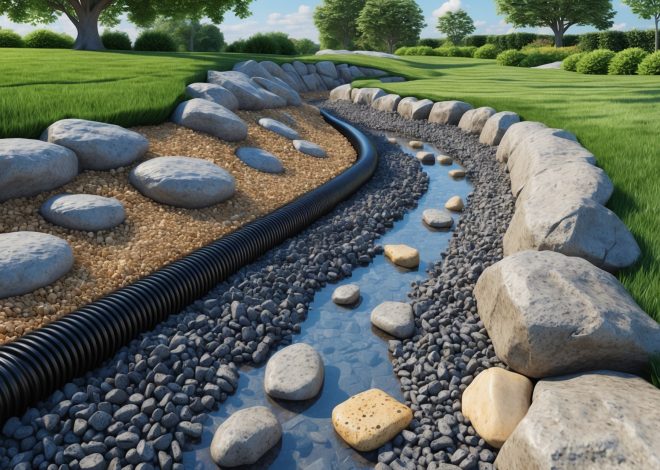
- Ensure downspouts extend at least 5 feet away from the foundation.
- Use heated cables or ice melt products in problem areas to prevent ice dams.
Exterior Sealing
Inspect exterior walls, siding, and foundation for cracks or gaps. Seal with caulk or expanding foam to prevent moisture intrusion and drafts.
Windows, Doors, and Insulation: Enhancing Energy Efficiency
Weatherstripping and Caulking
- Apply new weatherstripping around doors and windows.
- Caulk gaps and cracks where air can leak in or out.
Upgrade Insulation
Evaluate attic, basement, and wall insulation. Add or replace insulation where R-values are insufficient for your climate zone. Focus on attic hatches, rim joists, and crawl spaces—often overlooked sources of heat loss.
Install Storm Windows/Doors
Consider temporary storm windows or doors for older properties to add an extra layer of protection against cold air infiltration.
Interior Preparation: Safeguarding Appliances and Fixtures
Water Heater Maintenance
- Flush sediment from the tank to improve efficiency and prevent corrosion.
- Insulate the tank and exposed hot water pipes.
- Set temperature at 120°F (49°C) to balance comfort, efficiency, and safety.
Fireplace and Chimney Safety
- Have chimneys and flues professionally cleaned and inspected.
- Install chimney caps to prevent animal entry and blockages.
- Check for cracks or loose bricks in masonry chimneys.
- Close fireplace dampers when not in use to prevent heat loss.
Appliance Winterization
- Unplug or shut off non-essential appliances in vacant units.
- Check sump pump operation—ensure it’s ready for snowmelt in spring.
- Test smoke and carbon monoxide detectors; replace batteries as needed.
Exterior Grounds and Safety: Preventing Accidents and Liability
Walkway and Driveway Maintenance
- Repair cracks or uneven surfaces that could worsen in freezing weather.
- Stock up on ice melt or sand for slip prevention.
- Arrange for reliable snow removal services—have contracts in place before the first snowfall.
Outdoor Lighting
- Install or test motion-sensor lights for improved safety and security.
- Replace burnt-out bulbs and ensure all fixtures are weatherproofed.
Secure Outdoor Equipment
- Store or cover patio furniture, grills, and garden tools.
- Drain and store garden hoses to prevent freezing and cracking.
Monitoring and Emergency Preparedness
Remote Monitoring Solutions
- Install Wi-Fi-enabled temperature and moisture sensors in key areas.
- Set up security cameras for vacant properties to deter vandalism or theft.
- Use property management apps to track maintenance tasks and emergency contacts.
Emergency Contact List
- Update your list of local plumbers, HVAC technicians, snow removal crews, and property managers.
- Provide tenants with emergency instructions and contact numbers.
- Test all alarm systems and ensure backup power supplies are functional.
Tenant Communication and Education
Informing Tenants of Winter Procedures
- Send out a winter preparation notice outlining what steps have been taken and what is expected of tenants (e.g., keeping the heat on, reporting leaks promptly).
- Offer tips for preventing frozen pipes, operating heating systems efficiently, and using space heaters safely.
- Clarify responsibilities for snow removal and salting walkways.
Access and Inspections
Request access to units (with proper notice) to perform winterization tasks. Document all communications and completed work for legal and insurance purposes.
Post-Winter Follow-Up: Assess and Repair
When winter ends, conduct a thorough inspection to identify any damage or maintenance needs that arose during the cold season. Address issues promptly to prevent small problems from escalating. Update your winterization checklist based on lessons learned and feedback from tenants or maintenance staff.
Conclusion: Winterization as an Ongoing Investment Strategy
Protecting your real estate investment from winter hazards is more than a seasonal chore—it’s a proactive approach that safeguards your property’s value, reduces operational costs, and enhances tenant satisfaction. By following the detailed winterization checklist outlined above, you minimize the risk of expensive emergencies, maintain compliance with local safety codes, and demonstrate professionalism as a landlord or property manager. Remember, the most effective winterization plans are tailored to your property’s unique needs and local climate conditions. Regular assessments, timely maintenance, and open communication with tenants form the backbone of a successful winter strategy. Investing in quality materials, smart technology, and professional services may incur upfront costs, but these expenditures are far outweighed by the long-term savings and peace of mind they deliver. Start planning early, document every step, and treat winterization as an annual priority. Doing so ensures that your investment properties remain profitable, resilient, and ready to weather whatever winter brings.
62 thoughts on “Winterizing Investment Properties: A Detailed Checklist for Real Estate Owners”
Leave a Reply

I’m a new property owner and wondering what the best way is to monitor vacant homes during winter for issues like burst pipes or heating failures. Are there affordable solutions for keeping an eye on these risks remotely?
Affordable smart home technology makes remote monitoring much easier. You can install Wi-Fi-enabled temperature and water leak sensors that send alerts to your phone if temperatures drop too low or leaks are detected. Many systems are DIY-friendly and don’t require a monthly fee. Also, consider smart thermostats to manage heating remotely and, if possible, ask a local contact to check the property periodically for extra peace of mind.
The article mentions the importance of proactive roof and gutter maintenance. Could you clarify whether it’s better to handle this in late fall or closer to the first freeze? Also, are there any specific gutter guards that work best for rental properties?
It’s best to take care of roof and gutter maintenance in late fall, before the first freeze arrives. This timing helps prevent ice dams and clogs caused by leaves or debris. For rental properties, consider durable, low-maintenance gutter guards like stainless steel micro-mesh or solid-surface designs—these do a great job of keeping gutters clear and require less frequent cleaning, making them ideal for investment properties.
For owners who can’t visit their properties regularly, what are some reliable ways to monitor for issues like heating failure or burst pipes remotely over the winter?
For owners who can’t physically check their properties, installing smart thermostats and water leak detectors is a great way to monitor conditions remotely. Many of these devices send real-time alerts to your phone if temperatures drop too low or if leaks are detected. You might also consider security cameras with environmental sensors, or hiring a local property manager to conduct periodic checks during the winter months.
If a tenant is responsible for some maintenance, like keeping walkways clear, how do you suggest handling liability and setting expectations to prevent slip and fall accidents mentioned in the article?
To handle liability and set clear expectations, include specific maintenance responsibilities, like walkway clearing, in your lease agreement. Clearly outline what needs to be done, how often, and what materials should be used. Remind tenants of their duties before winter and provide written guidelines. Regularly inspect the property to ensure compliance. This approach helps prevent accidents and demonstrates that you’ve taken reasonable steps to manage risk.
I noticed you brought up insulation and air leaks affecting energy bills. Are there any insulation upgrades or temporary fixes you find especially cost-effective for investment properties that don’t have long-term tenants?
For investment properties with short-term or rotating tenants, adding weatherstripping or caulking around windows and doors is an inexpensive and effective way to cut drafts. Foam outlet and switch gaskets are another quick fix. For insulation, installing fiberglass batts in attics can be cost-effective and doesn’t require major renovations. Removable window insulation film is a great temporary option too, especially for older windows.
If a property already has some drafty windows or minor exterior cracks, are quick DIY fixes like weatherstripping and caulk good enough for a single season, or should I budget for more permanent solutions now to avoid complications you mentioned like heat loss and moisture damage?
For a single winter season, using weatherstripping on drafty windows and applying caulk to minor exterior cracks can be effective temporary solutions to reduce heat loss and moisture intrusion. However, these are short-term fixes. If you notice recurring drafts or worsening cracks, it’s wise to plan for more permanent repairs in the near future to prevent bigger issues and higher costs down the line.
I’m about to winterize a vacant property for the first time. When it comes to preventing burst pipes, how do I know if I need to completely shut off the water and drain the system, or if just letting faucets drip is enough?
If your property will be vacant for an extended period, especially in freezing climates, it’s safest to completely shut off the water at the main valve and drain the plumbing system. Letting faucets drip is usually only for short absences when heat stays on. Draining the system prevents hidden pipes from freezing and bursting if temperatures drop very low.
I manage a couple of rental properties that are often vacant in the winter months. Could you clarify which steps in your winterization checklist are the most critical to handle first, especially for homes that might sit empty for weeks at a time?
For vacant properties during winter, the most critical steps are shutting off and draining the water supply to prevent frozen pipes, setting the thermostat to a low but safe temperature (around 55°F), sealing drafts around windows and doors, and ensuring all smoke and carbon monoxide detectors have fresh batteries. These measures help prevent major damage and keep the property secure while it’s unoccupied.
The article mentions ongoing monitoring as part of the checklist. Are there any smart tech solutions or sensors that make it easier to keep tabs on things like temperature changes or leaks remotely during the winter?
Yes, there are several smart tech solutions you can use for remote monitoring in winter. Smart thermostats allow you to track and adjust temperatures from your phone, while leak detection sensors can alert you immediately if water is detected in areas prone to freezing pipes. Some systems also offer humidity and freeze alerts. Many major brands provide these devices, and they typically connect via Wi-Fi for real-time updates.
You mention that vacant investment properties are at higher risk in winter. How often should I do property checks during the colder months to catch issues like heating failures or leaks before they become major problems?
During the winter months, it’s best to check vacant investment properties at least once a week. Frequent visits help you spot heating failures, leaks, or other problems early, reducing the risk of costly damage. After severe weather or very cold nights, consider stopping by more often, even if it’s just for a quick walkthrough to verify everything is working as expected.
What immediate steps should I take if a tenant reports a heating system breakdown during a cold snap, to prevent further damage and ensure tenant safety as described in your article?
If a tenant reports a heating system breakdown during a cold snap, contact a licensed HVAC professional immediately for urgent repairs. Meanwhile, advise the tenant to use safe alternative heat sources if available and to keep faucets dripping to prevent pipe freezing. Regularly check in with the tenant until repairs are complete, and document all actions taken for liability protection.
I manage a few rental units that often sit vacant for several weeks in winter. When you mention ongoing monitoring as part of winterization, what are some practical ways to check on properties without frequent in-person visits?
You can monitor your vacant units remotely by installing smart thermostats to track and adjust temperatures, using water leak sensors to detect plumbing issues, and setting up security cameras or motion sensors for general property oversight. Many of these devices send real-time alerts to your phone, letting you respond quickly to any problems without needing to visit in person often.
If a property does experience damage like a burst pipe despite winterizing, what are the recommended first steps a landlord should take to minimize repair costs and tenant disruption?
If a burst pipe occurs, immediately shut off the main water supply to prevent further flooding. Next, contact a licensed plumber for urgent repairs. Document the damage with photos for insurance purposes, then inform your tenants about the situation and expected timelines. Begin drying affected areas as soon as possible to avoid mold, and notify your insurance provider to start the claims process. Prompt action helps reduce costs and keeps tenants informed.
If a property has already experienced draft and heat loss last winter, what would be the top priority fixes you’d recommend before the next cold season to prevent recurring problems?
If your property had drafts and heat loss last winter, start by sealing gaps around windows and doors with weatherstripping or caulk. Next, add insulation to attics and exterior walls if levels are low. Also, check for gaps around pipes, vents, and electrical outlets. Finally, ensure the heating system is serviced and operating efficiently before the next cold season.
The checklist mentions that vacant investment properties face higher risks in winter. Are there any low-cost monitoring tools or remote systems you recommend for keeping an eye on things like heat loss or heating failures when I can’t regularly visit the property?
There are several affordable monitoring options for vacant properties in winter. Smart thermostats can alert you if indoor temperatures drop, while basic temperature and humidity sensors send notifications to your phone if conditions change. Some water leak detectors with Wi-Fi can also help prevent damage from frozen pipes. Many of these devices are easy to install and require only a Wi-Fi connection, making them ideal for remote monitoring.
The article talks about ongoing monitoring as part of the winterization checklist. What are some reliable ways to remotely keep track of things like heating system failures or ice buildup when I live out of state?
To monitor your property remotely, consider installing smart thermostats and temperature sensors that alert you if temperatures drop too low, signaling potential heating failures. Wi-Fi water leak detectors can notify you about leaks or pipe bursts. For ice buildup, outdoor security cameras with motion alerts let you keep an eye on roofs and driveways. Many of these devices can be managed from your phone, helping you respond quickly to issues from a distance.
You mentioned that poor insulation and air leaks can drive up energy bills in rental properties. Are there any quick, budget-friendly upgrades that can make a noticeable difference for owners who can’t do a full renovation before winter?
Absolutely, there are several affordable upgrades you can tackle before winter. Sealing gaps with weatherstripping or caulk around windows and doors helps prevent drafts. Adding door sweeps to exterior doors is also effective. You can use insulating film kits on windows to reduce heat loss. Even thick curtains can help keep warmth inside. These changes are cost-effective and can significantly improve energy efficiency without needing major renovations.
The article mentions that vacant or under-occupied investment properties face unique winterization challenges compared to regularly occupied homes. Are there specific plumbing or HVAC precautions property owners should take if a property will be vacant for several months?
Yes, for vacant properties, it’s important to fully drain the plumbing system to prevent pipes from freezing and bursting. This includes shutting off the main water supply and draining all faucets, toilets, and appliances. You should also consider adding non-toxic antifreeze to toilet bowls and drains. For HVAC, set the thermostat to a low but safe temperature (usually around 55°F) to keep residual warmth in the house and prevent freezing, and schedule a furnace check to ensure it’s running efficiently during the vacancy.
The article mentions that investment properties are often vacant for longer periods, which increases winterization risks. How often should an owner visit or monitor a vacant property during the winter to catch problems early, and are there tech solutions that can help with remote monitoring?
During winter, it’s wise to visit or check on a vacant property at least once a week, especially during severe weather. This helps you catch issues like leaks or heating failures early. For remote monitoring, smart home technology such as Wi-Fi thermostats, leak detectors, and security cameras can send alerts to your phone, allowing you to respond quickly even if you’re not nearby.
If a tenant reports drafts or cold spots, what is the best way to quickly assess whether it’s poor insulation or an HVAC issue before winter fully hits?
To quickly determine if drafts or cold spots are due to poor insulation or an HVAC issue, start by feeling around windows, doors, and exterior walls for noticeable cold air coming in, which often points to insulation gaps. Then, check if all rooms are receiving air from the vents when the heat is on. Uneven airflow or rooms not warming up may indicate an HVAC problem. If unsure, a basic infrared thermometer can help spot temperature differences on walls and vents.
If a tenant experiences a heating failure in the middle of winter, what is the best immediate response to minimize damage and keep everyone safe? Do you have tips for troubleshooting common furnace problems before calling a professional?
If the heat goes out in winter, make sure everyone stays warm by using extra blankets and blocking drafts. Check the thermostat settings, ensure the furnace switch and circuit breaker are on, and replace the air filter if it’s clogged. If you smell gas or see signs of a serious malfunction, evacuate and call a professional right away. For minor issues, these quick checks can sometimes restore heat before you need expert help.
Can you break down which winterization steps tend to offer the most cost savings for an owner trying to stick to a budget? I’m mainly concerned with reducing energy expenses across several properties.
Focusing on sealing drafts around windows and doors, adding weather stripping, and using programmable thermostats usually offers the biggest energy savings for the cost. Adding insulation to attics or crawl spaces is another smart investment if the properties are older. These steps help reduce heat loss and lower energy bills without requiring major upgrades.
For properties that are vacant for extended periods, is it better to completely shut off and drain the water system, or keep a low level of heat on to prevent pipes from freezing? What have you found most reliable in colder US climates?
In colder US climates, the most reliable method is to shut off the main water supply and completely drain the plumbing system. This eliminates the risk of pipe bursts due to freezing. Some owners also add non-toxic antifreeze to toilet and drain traps. If you prefer to keep some heat on, set the thermostat to at least 55°F, but draining the system offers the highest protection for extended vacancies.
Since winterizing several properties can get expensive, do you have any tips on prioritizing which winterization tasks are absolutely critical versus those that can safely wait if the budget is tight?
Focusing on tasks that prevent immediate and costly damage is a smart way to prioritize. Start with protecting pipes from freezing, ensuring the heating system works, sealing obvious drafts, and cleaning gutters to avoid ice dams. Tasks like landscaping, upgrading insulation, or replacing windows can often wait until your budget allows, as long as you address the basics that keep the property safe and habitable.
For properties in regions with heavy snowfall, what’s your advice on preventing roof and gutter damage when a property might go several weeks without anyone on-site? Is hiring a local maintenance service necessary or are there DIY precautions that are effective?
For properties in areas with heavy snowfall, it’s very important to keep roofs and gutters clear to prevent ice dams and water damage. If the property is left unattended for weeks, hiring a local maintenance service is highly recommended—they can regularly remove snow and check for issues. If that’s not possible, you can install gutter guards and heat cables before winter as DIY precautions, but ongoing monitoring is still ideal for best protection.
The article talks about how burst pipes from freezing temperatures are a huge risk. What are the most effective ways to insulate pipes in older buildings that might not have modern plumbing?
For older buildings, start by wrapping exposed pipes with foam pipe insulation or fiberglass sleeves, which help retain heat. Use heat tape or heating cables for pipes in extremely cold spots—just be sure they’re installed safely and according to instructions. Seal any gaps or cracks in walls and floors near pipes to keep cold air out, and consider leaving cabinets open under sinks to allow warm air to circulate around indoor pipes.
For landlords managing multiple properties that may be vacant for long stretches, is it more cost-effective to completely shut off the water supply and drain the pipes, or should you keep minimal heat on to prevent freezing? What factors should influence this decision?
For vacant properties, shutting off the water and draining the pipes is generally more cost-effective than maintaining heat, as it eliminates the risk of pipe bursts without ongoing heating costs. However, consider factors like the property’s location, insulation quality, local winter temperatures, and the likelihood of periodic visits. Minimal heat may still be necessary if you want to protect other systems or finishes. Balance energy savings with the risk and cost of potential water damage.
If a heating system fails unexpectedly in the middle of winter, what immediate steps should an out-of-town owner take to prevent further damage until a professional can get there?
If the heating system fails suddenly, act quickly to avoid frozen or burst pipes. Contact a trusted local property manager, neighbor, or handyman to check the property and, if possible, drain the plumbing system to prevent freezing. Ask them to set faucets to a slow drip and open cabinet doors under sinks to allow warmer air to circulate. Arrange for a heating professional to visit as soon as possible.
I noticed that ice dams and clogged gutters are listed as risks. How often should gutters be checked or cleared during the winter months, and are there any preventative products you’d recommend for investment properties?
During winter, it’s wise to check and clear gutters at least once a month, especially after heavy snowfall or a thaw. For preventative measures, gutter guards or screens can help keep debris out, while heated gutter cables can prevent ice buildup. Both options reduce the need for frequent cleaning and lower the risk of ice dams, which is especially helpful for investment properties.
I’m trying to keep my winterization costs manageable. Which steps from your checklist would you say are the most important to prioritize if I only have a small budget to work with this season?
If you need to prioritize on a small budget, focus on steps that prevent the most costly damage. Insulate exposed pipes to guard against freezing, seal any gaps or cracks around doors and windows to reduce heat loss, and clean gutters to avoid ice damming. These actions protect your property from major winter-related issues without requiring a significant investment.
For investment properties that sit vacant for weeks at a time, do you recommend draining the plumbing system entirely, or is keeping the heat on at a minimum temperature usually sufficient to prevent pipes from freezing?
For properties that remain vacant for extended periods, draining the plumbing system is the most reliable way to prevent pipes from freezing, especially in very cold climates. However, if you prefer not to drain the system, keeping the heat on at a minimum of 55°F (about 13°C) and opening cabinet doors to allow warm air to circulate around pipes can usually protect them. Draining is safest if you’re unsure about maintaining steady heat.