

Vacant Property Maintenance: Best Practices for Protecting Your Real Estate Investment
Introduction: The Hidden Risks of Vacant Properties
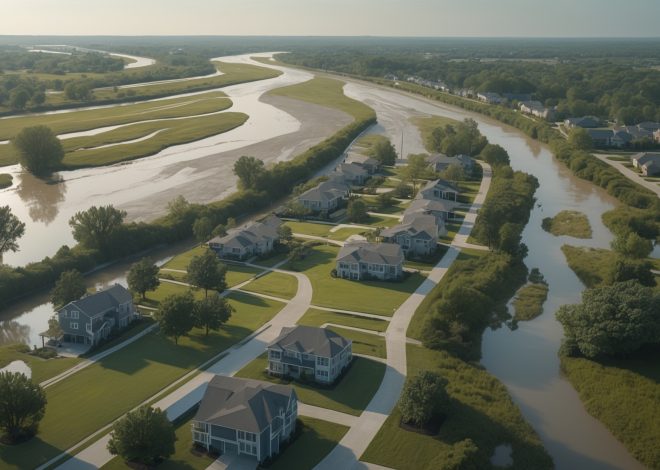
Owning real estate can be a lucrative long-term investment, but what happens when a property sits vacant? Unlike an occupied home, a vacant property faces unique risks that can quickly erode its value and compromise your investment. These risks include vandalism, theft, weather damage, pest infestations, plumbing leaks, and even squatters. Insurance premiums for vacant properties are often higher, and some policies may not cover damages if proper maintenance protocols aren’t followed. For landlords, investors, or homeowners in transition, understanding how to protect and maintain a vacant property is critical. This guide provides a comprehensive, step-by-step approach to vacant property maintenance, covering security, utilities, seasonal care, inspections, and more. Whether your property is between tenants, on the market, or awaiting renovation, following these best practices will help you minimize risks, control expenses, and preserve property value.
Why Proper Vacant Property Maintenance Matters
Vacant properties can quickly become liabilities if left unmanaged. Neglecting even minor issues can result in costly repairs, insurance claim denials, and neighborhood deterioration. Proper maintenance is essential for:
- Preserving property value: Prevents deterioration and major repairs.
- Reducing liability: Limits risks of injury, vandalism, or fire.
- Ensuring insurance compliance: Maintains eligibility for coverage.
- Attracting buyers or tenants: Well-kept properties move faster on the market.
Step 1: Secure the Property
Lock All Points of Entry
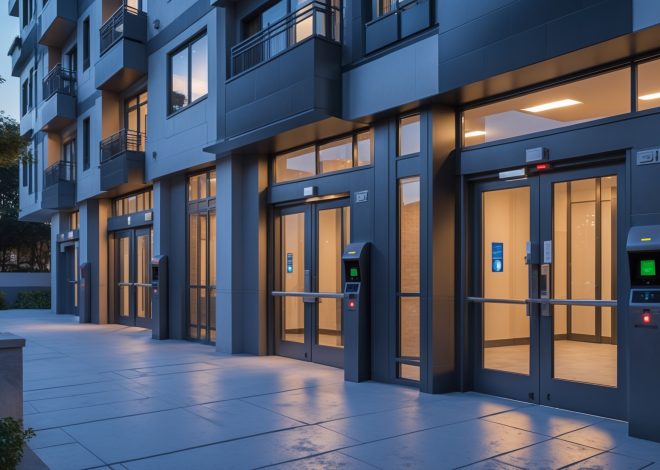
Start by ensuring every door and window is locked with quality hardware. Consider upgrading to deadbolts for exterior doors and reinforced window locks. Don’t forget secondary access points like garage doors, basement entries, and sliding doors.
Install Security Systems
- Monitored alarm systems: Deter intruders and alert authorities.
- Smart cameras: Remote video monitoring can provide real-time alerts.
- Motion-activated lighting: Install exterior lights that trigger with movement, especially in secluded areas.
Signage and Physical Barriers
- “No Trespassing” signs can discourage unwanted visitors.
- Install security cameras in visible locations.
- For high-risk areas, consider temporary fencing or window bars.
Step 2: Manage Utilities Safely
Water
Turn off the main water supply unless needed for heating or landscaping. Drain pipes and toilets to prevent freezing and leaks. In cold climates, consider adding non-toxic antifreeze to traps and toilets.
Electricity
- Keep power on for essential security systems, lighting, and sump pumps.
- Unplug appliances to prevent fire hazards.
- Test smoke and carbon monoxide detectors regularly; use units with long-life batteries.
Gas
If not needed for heating or hot water, shut off the gas supply at the meter. Have all work performed by a licensed professional to avoid safety risks.
Step 3: Control Interior Climate
Heating and Cooling
- Set the thermostat to a minimum of 55°F (13°C) in winter to prevent frozen pipes.
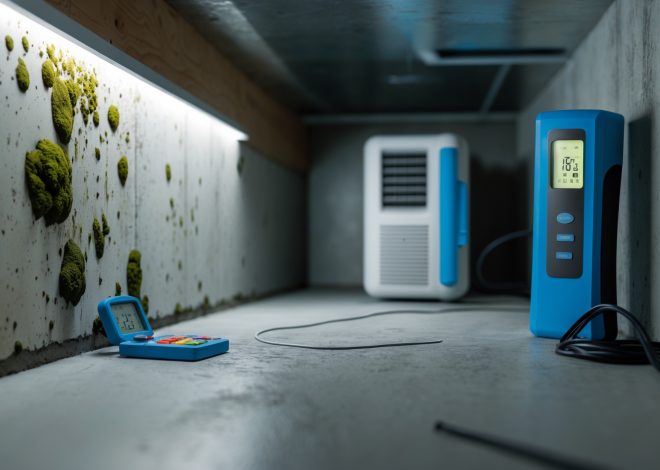
- In hot climates, use minimal air conditioning or dehumidifiers to prevent mold.
Ventilation
Keep interior doors open to promote air circulation. Use moisture absorbers or desiccants in basements, attics, and closets to prevent musty odors and mold growth.
Step 4: Routine Inspections
Frequency and Documentation
- Inspect the property at least once a month; weekly for high-risk areas.
- Document each visit with time-stamped photos and written notes.
- Use a detailed inspection checklist covering exterior, interior, systems, and security.
Professional Property Managers
If you live far away or have multiple properties, consider hiring a property manager or vacant property specialist. They can provide regular inspections, maintenance, and rapid response to issues.
Step 5: Exterior Maintenance
Landscaping
- Mow lawns and trim shrubs regularly to maintain a lived-in appearance.
- Remove weeds and debris, and clear gutters to prevent water damage.
- Winterize irrigation systems and protect outdoor spigots from freezing.
Snow Removal
In winter, arrange for snow and ice removal from walkways, driveways, and steps. This reduces slip hazards and maintains curb appeal.
Seasonal Care
- Rake leaves and remove dead branches in fall.
- Inspect roofs and siding after storms for any damage.
- Secure outdoor furniture or store it to prevent wind damage.
Step 6: Preventing Pests and Wildlife Intrusion
Seal Entry Points
- Inspect for gaps around doors, windows, vents, and foundations.
- Install screens or covers over chimneys and vents.
Remove Attractants
- Eliminate standing water and remove any food or organic debris.
- Clean and seal trash bins, and dispose of garbage regularly.
Professional Pest Control
Schedule regular pest inspections, and address infestations promptly with professional help.
Step 7: Insurance and Legal Compliance
Vacant Property Insurance
Standard homeowner’s policies often exclude vacant properties after 30-60 days. Obtain a specialized vacant property policy that covers vandalism, fire, water damage, and liability. Notify your insurer immediately when the property becomes vacant to avoid denied claims.
Local Ordinances
- Check for local requirements regarding vacant property registration, security, and appearance.
- Some municipalities impose fines for properties that fall into disrepair.
Step 8: Neighborhood Relations and Curb Appeal
Build a Network
- Introduce yourself to neighbors and provide contact information for emergencies.
- Ask trusted neighbors to keep an eye out for suspicious activity.
Maintain Appearances
- Rotate lights on timers to simulate occupancy.
- Avoid letting mail or flyers accumulate; use a mail hold or forwarding service.
- Keep window coverings consistent and in good condition.
Step 9: Prepare for Occupancy or Sale
Deep Cleaning
Before showing to buyers or new tenants, schedule a thorough cleaning of all surfaces, floors, windows, and appliances. Address any odors or signs of pests.
Repairs and Upgrades
- Fix any outstanding maintenance issues, from leaks to peeling paint.
- Test all systems (HVAC, plumbing, electrical) and make necessary repairs.
- Consider minor upgrades (fresh paint, updated fixtures) to boost appeal.
Step 10: Emergency Preparedness
Emergency Contacts and Plans
- Post a list of emergency contacts (plumber, electrician, property manager) in a visible location.
- Share access instructions (spare keys, alarm codes) with trusted parties.
Response Protocols
- Set up remote alerts for security and environmental sensors.
- Have a plan for rapid response to storms, break-ins, or system failures.
Vacant Property Maintenance Checklist
- Change locks and secure all entries
- Install and monitor alarm and camera systems
- Shut off or manage utilities appropriately
- Set thermostats to safe levels
- Inspect monthly (or more often as needed)
- Maintain landscaping and exterior appearance
- Remove mail, flyers, and packages promptly
- Seal entry points against pests
- Obtain and maintain vacant property insurance
- Communicate with neighbors and local authorities
- Prepare emergency plans and contacts
Conclusion: Protecting Your Investment for the Long Term
Vacant property maintenance is not just about keeping up appearances—it’s about proactively safeguarding a valuable asset from a host of preventable threats. Failure to maintain an empty home can result in costly damage, insurance headaches, and lost resale value. By following the best practices outlined above, you can minimize risks, control maintenance costs, and ensure that your property is ready for occupancy or sale at a moment’s notice. Remember, a vacant property is most vulnerable when it appears neglected. Regular inspections, timely repairs, ongoing communication with neighbors, and investment in security are all critical components of a successful maintenance plan. If managing these steps feels overwhelming, don’t hesitate to enlist the help of professional property managers, contractors, or security companies. The investment you make in diligent maintenance will pay dividends in preserved value, reduced liability, and peace of mind. Whether your property sits empty for a few weeks or several months, treating it with the same care as an occupied home is the key to long-term real estate success.
2 thoughts on “Vacant Property Maintenance: Best Practices for Protecting Your Real Estate Investment”
Leave a Reply

You mentioned that insurance premiums for vacant properties are often higher and some policies may not cover damages if maintenance isn’t handled properly. Could you explain what specific maintenance tasks insurance companies typically require for vacant property coverage?
Insurance companies usually expect regular inspections, prompt repairs of any damage, clearing gutters and drains, securing all entry points, maintaining the yard or exterior, and ensuring that utilities like heat are kept on in colder months to avoid issues like frozen pipes. Keeping the property free of debris and making sure smoke alarms and security systems are functional are also common requirements.