
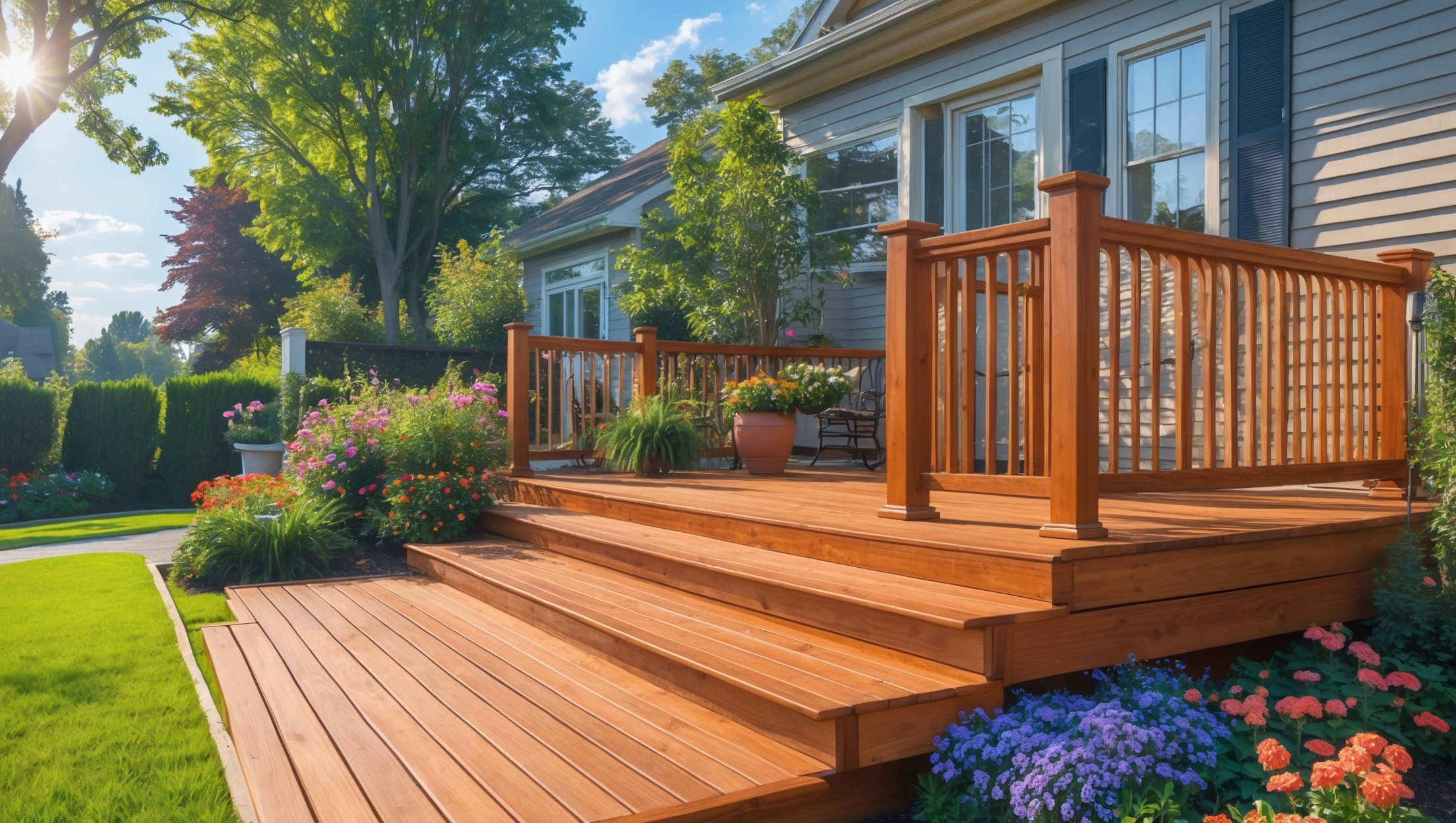
Real Estate Deck Maintenance: Avoiding Costly Mistakes and Maximizing Property Value
Introduction: Why Deck Maintenance Is a Real Estate Essential
Decks are prized features in residential and investment properties, offering outdoor living space, enhancing curb appeal, and increasing market value. Yet, many real estate owners and managers underestimate the importance of regular deck maintenance. Neglected decks can quickly become eyesores or safety hazards, deterring potential buyers and tenants, and leading to expensive repairs or even legal liabilities. This comprehensive guide explores the most common deck maintenance mistakes in real estate, provides a detailed breakdown of costs, safety and compliance guidelines, and lays out a step-by-step approach to keeping your deck in top condition year-round. Whether you’re a first-time landlord, seasoned investor, or homeowner looking to maximize your property’s value, this article equips you with the knowledge and practical tools to protect your deck investment and ensure long-term satisfaction.
Understanding Deck Structures: Materials and Lifespan
Common Deck Materials
- Pressure-Treated Wood: Affordable and widely used, but susceptible to rot, splintering, and insect damage if not maintained.
- Cedar/Redwood: Naturally resistant to decay, but require regular staining and sealing to prevent weathering.
- Composite Decking: Made from wood fibers and plastic, low-maintenance, but can be prone to surface mold and fading.
- Vinyl/PVC: Highly weather-resistant and easy to clean, but more expensive and can become brittle in extreme temperatures.
Typical Lifespan
- Pressure-treated wood: 10–15 years with proper care
- Cedar/redwood: 15–25 years
- Composite: 25–30 years
- Vinyl/PVC: 20–30 years
Understanding your deck’s material is the first step to effective maintenance. Each material has unique vulnerabilities and maintenance routines, which, if ignored, can drastically shorten its useful life and hurt your property’s value.
Beginner Mistakes to Avoid in Deck Maintenance
1. Skipping Regular Inspections
Many property owners overlook the importance of inspecting their decks at least twice a year. Small issues like loose boards, popped nails, or minor rot can escalate into structural hazards if missed. Schedule inspections in early spring and late fall for best results.
2. Ignoring Water Drainage Issues
Poor drainage leads to standing water, causing accelerated wood rot, mold growth, and even foundation damage. Always check that the deck slopes slightly away from the house and that gutters and downspouts direct water off and away from the deck area.
3. Delaying Cleaning and Sealing
Allowing debris, leaves, or dirt to build up traps moisture and seeds mildew. Annual deep cleaning and resealing (for wood decks) are non-negotiable for preserving appearance and structural integrity.
4. Using the Wrong Cleaning Products
Harsh chemicals or pressure washers used incorrectly can damage wood fibers or strip finishes. Always use deck-specific cleaners and follow manufacturer guidelines for pressure washing.
5. Overlooking Fastener and Hardware Maintenance
Rusty screws, nails, or brackets can compromise deck safety. Inspect and replace corroded hardware promptly, and use galvanized or stainless steel fasteners for replacements.
6. Neglecting Railing and Stair Safety
Loose railings and stairs are a major liability. Check all connections and supports, tighten or reinforce as necessary, and ensure compliance with local building codes.
7. Failing to Address Pest Infestations
Termites, carpenter ants, and other pests can silently destroy a wooden deck. Early detection and treatment are crucial, especially in humid climates.
Cost Breakdown and Budgeting for Deck Maintenance
Annual Maintenance Costs
- Cleaning: $100–$300 for professional cleaning; $30–$70 for DIY supplies
- Staining/Sealing: $300–$700 for pro labor and materials; $50–$150 for DIY supplies
- Fastener/Hardware Replacement: $50–$200 annually (varies by size and materials)
- Minor Repairs: $100–$400 per year for replacing boards, fixing railings, etc.
- Pest Treatment: $100–$300 for inspection and spot treatment
Long-Term Costs
- Deck Resurfacing: $1,500–$5,000 depending on size and materials
- Full Replacement: $7,000–$20,000 or more, based on material and complexity
Budgeting Tips
- Set aside at least 1–2% of your property’s value annually for exterior maintenance, including decks.
- DIY routine tasks like sweeping, cleaning, and minor repairs to reduce costs.
- Invest in high-quality sealants and fasteners to minimize long-term expenses.
Deck Maintenance Checklist: Seasonal Tasks
Spring
- Sweep and remove debris
- Inspect for winter damage: check boards, fasteners, and railings
- Clean with deck-specific cleaner
- Reseal or stain if needed (wood decks)
- Check for signs of pests
Summer
- Check for mold, mildew, and surface stains
- Ensure proper drainage after storms
- Inspect railings and stairs for safety
- Touch up finish or paint as needed
Fall
- Clear leaves and organic debris regularly
- Inspect for loose boards or protruding nails
- Prepare deck for winter: cover if possible, move furniture, store grills
Winter
- Remove snow promptly with a plastic shovel (avoid metal shovels that damage boards)
- Avoid using salt or harsh ice-melting chemicals (can damage finishes and corrode hardware)
- Monitor for ice dams and water pooling
Tools and Equipment Guide for Deck Maintenance
- Basic Tools: Broom, garden hose, bucket, scrub brush, putty knife, drill/driver, hammer
- Cleaning Equipment: Deck cleaner, mild detergent, soft-bristle brush, power washer (with 500–600 psi setting only for wood decks)
- Repair Supplies: Replacement boards, galvanized or stainless steel screws/nails, wood filler, exterior wood glue
- Finishing Materials: High-quality exterior stain or sealant, paintbrushes, rollers, sprayers, painter’s tape
- Safety Gear: Work gloves, eye protection, knee pads, dust mask (when sanding or applying chemicals)
Compliance and Permit Considerations
Depending on your municipality, certain deck repairs or upgrades may require permits or inspections. Common scenarios include:
- Replacing more than 50% of deck boards
- Making structural changes (e.g., new posts, beams, or footings)
- Altering deck size or adding railings/stairs
Check with your local building department before starting major work. Non-compliance can lead to fines, forced removal, or insurance issues. Ensure any contractors you hire are licensed, insured, and pull the necessary permits.
Insurance Essentials for Decks
Decks are typically covered under a property’s standard homeowners or landlord insurance policy, but only if they meet local code and are properly maintained. Insurance claims can be denied if:
- Deck was in disrepair or unsafe
- Unpermitted work was performed
- Negligence (failure to maintain) is found
Document all maintenance and repairs with photos and receipts. For rental properties, consider additional liability coverage to protect against injury claims related to deck accidents.
Marketing Strategies: Leveraging a Well-Maintained Deck
For Sellers
- Highlight deck upgrades and maintenance in listings and showings
- Stage the deck with attractive furniture and planters
- Include before-and-after photos of repairs or refinishing
For Landlords/Investors
- Use the deck as a value-add in rental listings
- Emphasize safety, low maintenance, and outdoor living benefits
- Host virtual tours that showcase the deck’s condition and features
A pristine deck can be the deciding factor for prospective buyers or tenants, especially in competitive markets.
Common Myths Debunked
- Myth: “Composite decks don’t require maintenance.”
Fact: While composites are low-maintenance, they still need cleaning, inspection, and occasional repairs to prevent mold and surface damage. - Myth: “Pressure washing is safe for all decks.”
Fact: Excessive pressure can gouge wood and ruin finishes. Always use the lowest effective setting and proper technique. - Myth: “Deck sealant lasts for years.”
Fact: Most sealants protect for only 1–3 years, depending on climate and usage. Annual inspection is essential. - Myth: “Minor cracks and splinters aren’t a big deal.”
Fact: Small defects can become major problems if left untreated. Address issues promptly to extend deck life and avoid safety hazards.
Case Study: Deck Maintenance ROI in Action
Scenario: A property manager oversees a 12-unit townhouse complex. The communal deck, built of pressure-treated wood, was neglected for several years, resulting in warped boards, peeling finish, and loose railings. Tenants complained, and insurance threatened to drop coverage due to safety concerns.
The manager invested $4,000 in professional cleaning, board replacement, and resealing. The result:
- Insurance coverage was maintained after passing inspection
- Tenant satisfaction increased, reducing turnover
- Property value appraised 6% higher due to improved curb appeal
This case underscores how proactive maintenance prevents costly liabilities and yields measurable returns in valuation and tenant retention.
Step-by-Step: Setting Up a Deck Maintenance Program
- Inventory Your Decks: List all decks by address, material, and age.
- Schedule Inspections: Set calendar reminders for spring and fall walk-throughs.
- Develop a Maintenance Log: Track cleaning, repairs, and upgrades for each deck.
- Budget for Annual Costs: Allocate funds for routine and emergency maintenance.
- Hire Qualified Pros: Vet contractors for larger repairs or code upgrades.
- Communicate with Tenants/Residents: Provide maintenance schedules and safety notices as needed.
Maintenance Best Practices and Safety Checklist
- Inspect all fasteners, railings, and stairs for looseness or corrosion
- Check for soft spots or sagging boards (signs of rot)
- Test handrails for sturdiness
- Look for pest activity in hidden areas
- Keep deck surface clear of clutter and debris
- Ensure lighting is adequate and functioning
- Confirm all repairs meet local building codes
Conclusion: Protecting Your Real Estate Investment Through Smart Deck Maintenance
Deck maintenance is more than just a cosmetic concern—it’s a vital component of risk management, occupant safety, and property value preservation for real estate professionals. By avoiding the most common mistakes, budgeting appropriately, and following a structured maintenance program, you protect your investment from costly repairs, insurance headaches, and potential legal exposure. A well-maintained deck not only delights tenants and buyers but also sets your property apart in a competitive marketplace. Remember, every dollar spent on preventative deck care translates into long-term savings and asset appreciation. Whether you manage a single rental or a portfolio of properties, make deck maintenance a cornerstone of your real estate strategy. With the practical tips, checklists, and expert guidance provided here, you’re equipped to maximize the lifespan, safety, and market appeal of every deck under your care.
44 thoughts on “Real Estate Deck Maintenance: Avoiding Costly Mistakes and Maximizing Property Value”
Leave a Reply




My deck sometimes gets slippery after it rains, and I’m concerned about safety, as you mentioned legal liabilities. Are there specific maintenance routines or products that help prevent mold or slippery surfaces, especially with composite decks?
Slippery decks, especially after rain, can be a safety concern. For composite decks, regularly sweep away leaves and debris, and clean the surface with a gentle soap-and-water solution or a composite deck cleaner. To prevent mold and mildew, make sure your deck gets good airflow and dries out quickly. Non-slip treatments or traction strips designed for composite decking can also help reduce slipperiness.
I noticed the article mentioned legal liabilities from neglected decks. Can you explain what kinds of compliance or safety checks landlords are responsible for, especially if I have older wood decking on my properties?
Landlords are typically responsible for ensuring decks meet local building codes, which often include requirements for structural integrity, secure railings, and safe stairways. Regular inspections are important, especially for older wood decks, to check for rot, loose boards, or unstable supports. Failing to address these issues can result in liability if a tenant or guest is injured. It’s wise to keep records of all inspections and repairs to prove compliance.
When budgeting for deck maintenance as a first-time landlord, what are some hidden costs I might miss, especially for vinyl or PVC decks? I’m trying to plan ahead for my rental property expenses.
For vinyl or PVC decks, hidden costs to watch for include repairs to damaged boards from impacts or heavy furniture, specialized cleaning products, and mold or mildew treatments if moisture gets trapped underneath. You might also need to budget for sealing or caulking seams periodically to prevent water intrusion. Don’t forget inspection costs, especially after severe weather, and potential fees for professional cleaning if tenants don’t maintain the deck as required.
I noticed composite decking is said to be low-maintenance but still at risk for surface mold and fading. Do you have advice on specific cleaning routines or products that actually prevent these issues long term, not just temporarily?
For long-term prevention of mold and fading on composite decking, regular cleaning is key. Use a soft-bristle brush and a gentle cleanser specifically designed for composite materials—avoid bleach or harsh chemicals. Clean the deck at least twice a year, and after heavy pollen or rain spells. For added protection, consider applying a composite deck sealer once a year to help resist stains and UV fading. These steps help maintain appearance and durability over time.
I noticed you mention that composite decking can get surface mold and fading even though it’s considered low-maintenance. In your experience, what are the most reliable ways to prevent or address these issues on composite decks without voiding the warranty?
To prevent mold and fading on composite decks, regularly sweep away debris and promptly clean up spills to minimize moisture. Wash the surface with a soft brush and soapy water a few times a year, avoiding harsh chemicals or pressure washing that could affect the warranty. For fading, keep the deck shaded where possible and choose lighter-colored composites, which tend to show less fading over time. Always check the manufacturer’s care guidelines to ensure warranty protection.
If a deck made from pressure-treated wood is already showing signs of splintering and some rot after ten years, is it usually more practical to repair it or replace it entirely to maintain property value?
If your pressure-treated wood deck is ten years old and showing both splintering and rot, replacing it is often more practical for maintaining property value. Widespread rot, in particular, can affect structural integrity and lead to recurring repairs. If damage is only in isolated areas, repairs might be an option, but for extensive issues, replacement will offer better safety, appearance, and long-term value.
Is there a best season to tackle major deck maintenance tasks like sealing or replacing boards? I’m trying to plan ahead so the weather doesn’t interfere and to keep downtime for my tenants as short as possible.
The ideal time for major deck maintenance like sealing or replacing boards is late spring or early fall. During these periods, the weather is typically mild, humidity is moderate, and rain is less frequent, which helps the materials cure properly. Avoid the height of summer or winter, as extreme temperatures or moisture can interfere with drying and installation. Planning work during these shoulder seasons should minimize disruption for your tenants.
Could you describe a typical maintenance schedule for composite decking? I want a clear idea of what upkeep tasks I’d be looking at each year as a landlord.
For composite decking, aim to sweep debris off the boards weekly and wash the surface with mild soap and water every few months. Each spring and fall, check for mold, mildew, or stains and clean them as needed. Inspect fasteners and structural components annually for any loosening or damage. Unlike wood, you won’t need to sand, stain, or seal composite decking, making ongoing maintenance much simpler.
You mentioned that vinyl/PVC decks can get brittle in extreme temperatures. Is there a specific temperature range where this becomes a concern, and can anything be done to prevent damage in colder climates?
Vinyl and PVC decks can start becoming brittle when temperatures fall below freezing, typically around 32°F (0°C) and lower. Prolonged exposure to harsh cold, especially below 20°F (-6°C), increases the risk of cracking. To help prevent damage, keep the deck clear of snow and ice, avoid using sharp tools for removal, and consider using a deck-friendly ice melt. Regular inspections before and after winter can also help you catch any early signs of damage.
If a deck has already been neglected for a couple of years, what steps should a homeowner take first to assess safety and prevent legal issues, as highlighted in the article?
If a deck has been neglected, start by inspecting for structural damage such as rotting wood, loose railings, and rusted fasteners. The article recommends hiring a licensed inspector to assess safety thoroughly. Promptly address any hazards found—repair or replace damaged boards, secure loose connections, and clean debris. This helps prevent accidents and reduces the risk of liability issues for homeowners.
If my rental property has a composite deck that’s starting to show some fading and surface mold, what’s the best way to restore it without causing damage to the material? Are there specific cleaners or methods you’d recommend?
For a composite deck with fading and surface mold, use a gentle, non-abrasive composite deck cleaner—these are designed specifically for composite materials and won’t cause damage. Apply the cleaner according to the manufacturer’s instructions and scrub lightly with a soft-bristle brush. Avoid power washing at high pressure, as it can harm the surface. For fading, some brands offer composite deck refresh products that help restore color. Always test any cleaner or product on a small area first.
If I have a pressure-treated wood deck that’s about 12 years old but has been maintained sporadically, what specific signs should I look for to determine if it’s safer to repair or completely replace it?
For a 12-year-old, sporadically maintained pressure-treated wood deck, look for signs like deep cracks or splintering boards, persistent soft spots or wood that feels spongy (indicative of rot), loose or rusted fasteners, wobbly railings, and sagging or uneven areas. If you find widespread rot, structural instability, or significant damage to support posts and joists, replacement may be safer. If issues are mostly on the surface or in isolated boards, repair could still be an option.
I manage several properties and after reading about the risks of neglected decks, I’m worried about liability. Are there any specific safety or compliance checks you suggest including in inspections beyond just looking for obvious damage?
Absolutely, in addition to checking for visible damage like rot or loose boards, it’s smart to regularly inspect for secure railings, proper stair treads, and adequate spacing between balusters per local building codes. Also, check for exposed nails or screws, ensure the deck’s ledger board is firmly attached, and look for signs of water pooling or mold, which could indicate structural risk. Documenting these checks can help with both liability protection and compliance.
Could you give some ballpark estimates for annual maintenance costs for cedar vs. composite decks? I’m trying to figure out which might be more budget-friendly in the long run for a property I plan to rent out.
For cedar decks, annual maintenance (cleaning, staining, minor repairs) typically ranges from $300 to $600, depending on size and climate. Composite decks are lower maintenance, usually costing about $100 to $200 per year for cleaning and occasional inspection. Over 10–15 years, composite often proves more budget-friendly due to fewer repairs and no need for staining or sealing.
I’m on a tight budget, so I’m curious which maintenance steps are absolutely essential versus what could potentially wait a year or two. For example, is it more urgent to fix minor splintering or to reseal the deck if I can’t afford both right away?
If you have to choose, resealing your deck should take priority over fixing minor splintering. Sealing protects the wood from moisture, sun damage, and rot, which can lead to much more expensive repairs down the road. Minor splinters can usually wait, as long as they aren’t causing safety issues. Address any major trip hazards, but focus your limited budget on resealing to preserve the deck’s structure.
For investors managing multiple rental properties, what would be a realistic annual budget range for keeping decks in good shape, especially if dealing with a mix of materials like wood, composite, and PVC?
For investors with a mix of deck materials, annual upkeep costs can vary. Wood decks typically require more maintenance, costing $300–$600 per deck per year for cleaning, staining, and minor repairs. Composite and PVC decks are lower maintenance, usually $100–$300 per deck annually for cleaning and inspections. Factor in the number of properties and deck sizes to set a realistic total budget, and consider setting aside an extra buffer for unexpected repairs or replacements.
Could you provide a checklist or timeline for seasonal deck inspections and maintenance, particularly for landlords managing multiple properties with different deck materials?
For landlords managing various deck types, here’s a helpful seasonal checklist: In spring, inspect for loose boards, nails, and signs of rot or mold; clean surfaces thoroughly. In summer, check for water damage after heavy rains and reseal if needed. In fall, clear debris and leaves, inspect for insect damage, and repair minor issues. In winter, keep decks clear of snow and ice, and avoid using salt on wood. Adjust maintenance methods based on the deck material—composite decks need less sealing, while wood requires regular staining and sealing. Document inspections for each property to stay organized.
For landlords managing multiple properties, what would be a reasonable annual budget to set aside for deck upkeep, especially for pressure-treated wood versus composite decks?
For landlords, setting aside about $200 to $400 per year per deck is reasonable for pressure-treated wood, as these require regular cleaning, staining, and minor repairs. For composite decks, annual upkeep is usually lower, around $100 to $200 per deck, since they mainly need cleaning. These estimates can vary depending on local labor costs and each deck’s condition, but they provide a good starting point for budgeting.
I’m a first-time landlord and was surprised to read that vinyl/PVC decks can become brittle in extreme temperatures. How do I know if my local climate might be an issue, and is there anything I can do to protect a vinyl deck from weather damage?
To assess if your local climate could affect a vinyl deck, check the typical temperature extremes for your area—long periods of intense cold or heat can increase brittleness. If your region experiences those conditions, consider using outdoor rugs or deck mats to limit direct sun exposure, and regularly clear off snow or ice in winter. Cleaning your deck with gentle products and inspecting for cracks or warping each season will also help prevent and address weather-related damage early.
How do maintenance costs over time compare between investing in a vinyl/PVC deck versus doing regular staining and sealing on a cedar or redwood deck? Budget-wise, what should a property investor expect over 20 years?
Vinyl or PVC decks typically have higher upfront installation costs than cedar or redwood, but they need very little maintenance—mainly occasional cleaning. Cedar and redwood decks cost less at first, but require staining and sealing every 2–3 years, which adds up in labor and materials. Over 20 years, vinyl/PVC often ends up less expensive overall, as the ongoing maintenance for wood decks can surpass the initial vinyl/PVC investment.
As a parent with young kids, safety is a top priority. What are the most common safety hazards that could develop if I miss some of the beginner maintenance steps you mentioned?
If beginner maintenance steps are skipped, common safety hazards for young kids can include loose or protruding nails and screws, uneven or rotting boards that could cause trips and falls, and splinters from weathered wood. In more advanced cases, weakened railings or structural instability may develop, increasing the risk of accidents. Regular inspections, tightening hardware, and keeping surfaces smooth and debris-free are especially important for a safe play environment.
Could you elaborate a bit more on what regular maintenance steps would look like for composite decking as opposed to cedar? I’m trying to decide which material is best for long-term value and least yearly upkeep.
Composite decking generally needs less maintenance than cedar. For composite, you’ll mostly want to sweep debris regularly, wash the surface with soap and water a few times a year, and check for mold in shaded areas. Cedar requires more: annual cleaning, staining or sealing every 1-3 years, and regular inspections for splinters, rot, or insect damage. If minimizing yearly upkeep is your priority, composite is usually the easier choice.