

Insurance Essentials for Real Estate Renovations: What Property Owners Must Know
Introduction: The Hidden Risks of Renovating Without Proper Insurance
Real estate renovations can be transformative, unlocking new potential in a property, increasing its value, and creating a more appealing space for tenants or buyers. However, even the most carefully planned renovation projects carry significant risks—ranging from accidental property damage and contractor injuries to costly project delays and liability lawsuits. Many property owners embark on renovations without fully understanding the insurance essentials that protect their investment throughout the process. The unfortunate reality is that standard property insurance policies often fall short during periods of construction or major upgrades, leaving owners vulnerable to uncovered losses and legal exposure. This comprehensive guide demystifies the insurance landscape for real estate renovations. Whether you’re updating a single-family rental, converting a multi-unit building, or tackling a large-scale commercial remodel, understanding the right insurance policies, coverage gaps, and risk management steps is critical. Read on to discover what every property owner must know to safeguard their renovation project from start to finish.
Why Standard Property Insurance Isn’t Enough During Renovations
Most property owners assume their existing property insurance will cover any incidents during a renovation. However, standard plans typically exclude damages or losses that occur when a property is under construction, vacant, or being significantly altered. That means fire, theft, vandalism, or liability claims arising during a renovation may not be covered—potentially resulting in substantial out-of-pocket costs. Insurers view renovations as periods of increased risk due to:
- Increased exposure to theft (tools, materials, fixtures on-site)
- Heightened risk of fire, water damage, or structural failure
- Greater chance of injury to workers, subcontractors, or visitors
- Potential for incomplete or defective work
To bridge these gaps, property owners must secure specialized insurance tailored for renovation projects. Failing to do so can invalidate existing coverage and expose both the property and the owner’s finances to significant losses.
Key Insurance Policies for Real Estate Renovations
Builder’s Risk Insurance (Course of Construction Insurance)
Builder’s Risk Insurance is the cornerstone policy for any renovation or construction project. It covers the building, materials, and equipment against damage or loss during the renovation period. Typically, it protects against:
- Fire and explosions
- Theft and vandalism
- Windstorm and hail (may require additional endorsements)
- Certain types of water damage (excluding flooding)
- Material or equipment damage on-site or in transit
This policy is usually required by lenders and may be purchased by the property owner, contractor, or jointly. It is vital to ensure the coverage period aligns with the renovation schedule and that all insurable interests (owner, general contractor, subcontractors) are named.
Liability Insurance (General Liability)
During renovations, liability exposure increases dramatically. General Liability Insurance protects against claims for bodily injury or property damage sustained by third parties on the premises. For example, if a passerby is injured by falling debris or a neighbor’s property is accidentally damaged, this coverage responds to legal expenses and settlements. Property owners should:
- Confirm their policy covers construction-related risks
- Require all contractors and subcontractors to carry their own liability insurance
- Request certificates of insurance and check policy limits
Workers’ Compensation Insurance
If you hire contractors or workers directly (not through a licensed general contractor), you may be liable for injuries sustained on the job. Workers’ Compensation Insurance covers medical expenses and lost wages for injured workers, protecting owners from lawsuits. Even when hiring independent contractors, verify they have active workers’ compensation policies in place.
Vacant Property Insurance
Many renovations require the property to be vacant for extended periods, which most standard policies exclude. Vacant Property Insurance fills this gap, covering risks specific to unoccupied properties, such as vandalism, arson, and water damage from undetected leaks.
Flood Insurance and Earthquake Endorsements
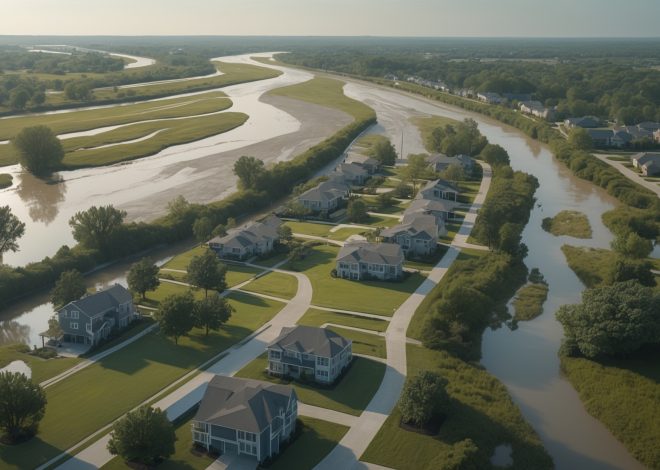
Standard policies and even builder’s risk insurance generally exclude flood and earthquake coverage. If your property is in a high-risk zone, purchase separate flood and earthquake insurance or endorsements. Renovations may also affect eligibility, so consult your agent before starting work.
Ordinance or Law Coverage
Building codes often change, and older properties may require upgrades to comply during renovations. Ordinance or Law Coverage pays for increased costs to repair, demolish, or rebuild a structure in compliance with current codes after a covered loss. This is particularly crucial for historic or aging buildings.
Common Coverage Gaps and How to Avoid Them
Who Is Responsible for Insuring What?
Responsibility for insurance can be murky, especially when multiple parties are involved. As a property owner, clarify with your contractor:
- Who is providing builder’s risk coverage?
- Are subcontractors covered under the general contractor’s policy?
- Do you need to be named as an additional insured on their policies?
Always obtain and review certificates of insurance before work begins.
Exclusions to Watch For
Insurance policies commonly exclude certain perils, such as:
- Acts of terrorism or war
- Faulty workmanship, design, or materials
- Normal wear and tear or maintenance issues
- Intentional damage
Carefully review policy exclusions and consider supplemental coverage if necessary.
Policy Limits and Valuation
Underinsuring a renovation project is a frequent mistake. Ensure limits are sufficient to cover the full replacement value of the renovated property and all materials. Factor in rising material and labor costs, and update your policy if the project scope changes.
Step-by-Step: Securing the Right Insurance for Your Renovation
1. Assess the Project Scope
Document the planned renovations, including budget, timeline, contractors involved, and whether the property will be occupied or vacant. This will determine the types and amounts of insurance needed.
2. Consult With Your Insurance Agent
Bring your project details to your insurance broker or agent. Ask them to:
- Review current policies for coverage gaps
- Recommend builder’s risk, liability, and any specialty policies
- Explain exclusions and deductibles
3. Gather Contractor Documentation
Request certificates of insurance from all contractors and subcontractors, specifying:
- General liability
- Workers’ compensation
- Policy limits and expiration dates
Verify you are named as an additional insured where appropriate.
4. Purchase or Update Policies
Secure builder’s risk and any other required policies before work begins. Make sure coverage dates match your renovation schedule and extensions are available if needed.
5. Monitor and Communicate
Keep your insurer informed of any changes to the renovation scope, timeline, or contractors. Update your coverage as necessary to avoid lapses or insufficient limits.
Cost Breakdown: What to Expect for Renovation Insurance
The cost of insurance for a renovation depends on several factors:
- Project value and scope
- Location and risk factors (e.g., flood or earthquake zones)
- Duration of construction
- Type of property (residential vs. commercial)
- Security measures in place (alarms, fencing, cameras)
As a rough guide:
- Builder’s risk insurance typically costs 1–4% of the total construction budget.
- General liability policies for contractors may range from $500–$2,000 per year, depending on the business size and risk.
- Vacant property insurance is often 50–100% more expensive than standard property coverage.
Shop multiple insurers and ask about bundling policies for discounts. Weigh the cost of coverage against the potential financial loss of being underinsured.
Special Considerations for Investment Properties and Flips
Investors often juggle multiple renovation projects or quick-turnaround flips. In these cases, consider:
- Annual builder’s risk policies that cover multiple properties
- Umbrella liability coverage for higher-risk portfolios
- Ensuring insurance transitions smoothly between renovation and occupancy phases
Coordinate closely with your insurance broker to avoid gaps, especially when properties are bought, renovated, and sold in quick succession.
Risk Management Tips: Beyond Insurance
Insurance is a vital safety net, but proactive risk management further protects your renovation investment. Implement these best practices:
- Install security systems and lighting to deter theft
- Require all workers to use proper safety gear and follow OSHA guidelines
- Secure all building materials and tools when not in use
- Regularly inspect the site for hazards (exposed wires, open trenches, unsecured scaffolding)
- Post clear signage to warn of construction zones
- Maintain clear records of all contracts, permits, and insurance documents
Mitigating risks on the front end not only reduces the likelihood of a claim, but can also lower your insurance premiums over time.
Case Study: Insurance Oversight Leads to Major Loss
Consider this real-world scenario: A property owner begins a major renovation on a four-unit apartment building. Believing their standard landlord policy would suffice, they fail to purchase builder’s risk insurance. Midway through the project, a fire—caused by faulty temporary wiring—destroys much of the building and stored materials. The insurer denies the claim due to the ongoing construction and vacancy. The owner is left facing a six-figure loss, plus legal action from injured workers. Had the owner secured builder’s risk and verified contractor insurance, the financial impact would have been minimal. This underscores the importance of tailored insurance for every renovation.
Conclusion: Protect Your Project, Protect Your Investment
Renovating real estate—whether a modest upgrade or a full-scale redevelopment—always involves risk. The insurance landscape can be complex, but taking the time to understand and secure the right coverage is one of the most important steps property owners can take. Standard policies rarely provide adequate protection during renovations; builder’s risk, liability, workers’ compensation, and specialty policies are critical to safeguarding your project from unexpected losses, injuries, or legal disputes. Equally important is thorough vetting of contractors’ insurance, maintaining clear documentation, and adopting strong risk management practices throughout the renovation process. The cost of proper insurance is a small price to pay compared to the devastating financial consequences of being underinsured. With the right coverage in place, you can focus on realizing your vision for the property—confident that your investment is protected at every stage. Whether you are a first-time renovator or a seasoned investor, make insurance a central part of your project planning. Consult with experienced insurance professionals, review your policies early and often, and stay proactive about risk. By prioritizing insurance essentials, you’ll ensure your renovation journey is a successful—and secure—one.
10 thoughts on “Insurance Essentials for Real Estate Renovations: What Property Owners Must Know”
Leave a Reply

Can you clarify how liability is handled if a subcontractor gets injured while working on my property, especially since standard property insurance doesn’t seem to cover these situations?
If a subcontractor is injured while working on your property, your standard property insurance typically won’t cover their injuries. Instead, liability usually depends on whether the subcontractor has their own workers’ compensation and liability insurance. As the property owner, you should always verify that contractors and subcontractors provide proof of insurance before they begin work. If they’re uninsured, you could be held liable for injuries, so it’s smart to discuss additional liability coverage with your insurance provider.
If my property is only undergoing minor renovations, like updating a bathroom or repainting, do the same insurance gaps apply as for major construction? How can I tell if I need extra coverage in these situations?
For minor renovations like repainting or updating a bathroom, the insurance gaps are usually smaller compared to major construction, but some risks still exist. It’s a good idea to review your current policy or contact your insurer to ask if temporary exclusions apply during the work. If the renovations involve structural changes or higher-value upgrades, extra coverage or a renovation endorsement may be recommended. Always inform your insurer before starting any work, no matter the scale.
In situations where a renovation gets delayed and the project timeline extends unexpectedly, does this affect the validity of renovation-specific insurance policies, or would owners need to request extensions or modifications to their coverage?
If your renovation project runs longer than expected, it’s important to check your insurance policy details. Many renovation-specific policies are tied to a set timeline. If the project extends, you may need to notify your insurer and request an extension or modification to your coverage. This ensures you remain protected throughout the entire renovation period and avoid any coverage gaps.
I’m planning to update my rental unit with a new kitchen and bathroom. Could you clarify what specific kinds of incidents standard property insurance would NOT cover during this kind of renovation?
Standard property insurance usually won’t cover damage caused by faulty workmanship, design errors, or poor materials during renovations. It also typically excludes injuries to contractors or workers if something goes wrong—they need their own liability coverage. Lastly, losses due to normal wear and tear, or intentional acts, aren’t covered. For renovations, consider a builder’s risk or renovation-specific policy for broader protection.
How soon before starting a renovation should I update or add new insurance coverage, and is there a typical waiting period before it actually takes effect?
It’s wise to update or add new insurance coverage as soon as you start planning your renovation, ideally several weeks before any work begins. Some insurers can activate coverage immediately, while others may require a few days to a week for approval. Always confirm the effective date with your provider to avoid any gaps in protection during your project.