

Avoiding Costly Foundation Repair Mistakes: A Real Estate Investor’s Guide
Introduction
Foundation repairs can make or break a real estate investment. Whether you’re acquiring a fixer-upper or maintaining a rental portfolio, the property’s foundation is both a literal and financial bedrock. Yet, many investors—both new and seasoned—fall into common traps when it comes to assessing, budgeting for, and executing foundation repairs. From misdiagnosing issues to hiring the wrong contractors, these mistakes can result in tens of thousands of dollars in unexpected costs, compliance nightmares, and even jeopardize tenant safety or property resale value.
This comprehensive guide dives deep into the most prevalent and expensive foundation repair mistakes real estate investors make—and, most importantly, how to avoid them. You’ll learn how to accurately assess foundation issues before purchase, budget realistically for repairs, navigate permits and compliance, select the right contractors, and implement long-term maintenance strategies. Whether you’re eyeing a single-family home or managing a multi-unit building, this post will help you protect your investment, avoid common pitfalls, and ensure your properties stand strong for years to come.
Understanding Foundation Issues: The Basics
Types of Foundations and Their Vulnerabilities
Before diving into mistakes and solutions, it’s crucial to understand the different foundation types common in residential real estate:
- Slab-on-Grade: A single concrete slab poured directly on the ground. Vulnerable to soil movement and moisture changes.
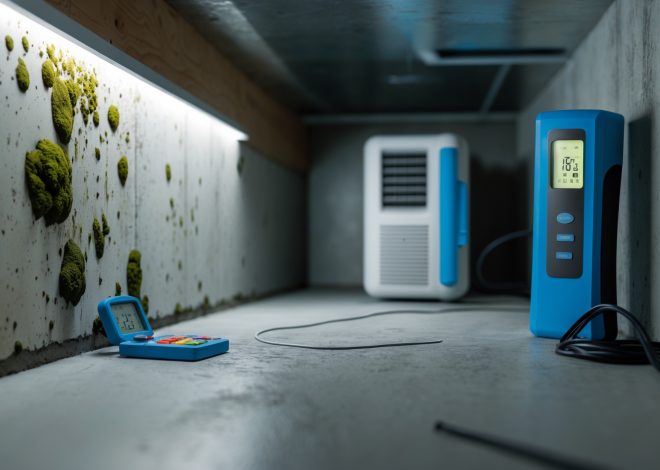
- Crawl Space: Raised foundations with a small space beneath the home. Susceptible to water intrusion and pest problems.
- Basement: Foundations with below-grade living or storage space. Prone to water seepage, cracking, and movement due to hydrostatic pressure.
Each type has unique warning signs and repair methods. Misidentifying the foundation type or its specific issues can lead to costly miscalculations and ineffective repairs.
Common Signs of Foundation Trouble
- Cracks in walls, floors, or exterior bricks
- Doors and windows that stick or won’t close properly
- Uneven or sloping floors
- Gaps around window frames or exterior doors
- Moisture or mildew in basements or crawl spaces
Recognizing these signs early allows for timely intervention and reduces the risk of escalating repair costs.
Mistake #1: Skipping or Rushing the Foundation Inspection
Why Professional Inspections Are Non-Negotiable
One of the most expensive mistakes is relying solely on visual DIY checks or general home inspections. Foundation issues can be subtle and require the trained eye of a structural engineer or foundation specialist. General inspectors often lack the expertise to diagnose the cause or severity of foundation movement, leading to missed problems that surface after closing.
How to Do It Right
- Always hire a licensed structural engineer for properties with suspected issues.
- Request a written, detailed report outlining the type, cause, and recommended repairs.
- Use inspection findings to negotiate the purchase price or require repairs before closing.
Never waive the foundation inspection contingency or accept a seller’s verbal assurances.
Mistake #2: Underestimating the True Cost of Repairs
Budgeting Beyond the Obvious
Foundation repairs can range from a few thousand dollars for minor crack injections to $50,000+ for extensive piering, underpinning, or full replacements. Investors often budget for visible repairs only, overlooking adjacent costs like landscaping restoration, plumbing reroutes, or city-mandated inspections.
Smart Budgeting Strategies
- Obtain at least three written quotes from foundation repair specialists.
- Factor in related expenses: permit fees, engineering reports, and damage to landscaping or interior finishes.
- Set aside a contingency fund (10–20% of the estimated repair cost) for unforeseen issues discovered during work.
Remember, the cheapest bid is rarely the best value—focus on quality and warranty coverage.
Mistake #3: Ignoring Permits and Local Compliance
The Compliance Trap
Foundation repairs often require building permits and must meet municipal codes. Failing to obtain permits can result in stop-work orders, fines, and even forced removal of completed repairs. Non-compliant work may also cause insurance claims to be denied or complicate future property sales.
Best Practices for Permits and Compliance
- Contact your local building department before starting any foundation work.
- Ensure your contractor pulls all required permits and schedules necessary inspections.
- Keep copies of permits, inspection records, and engineer reports for your records.
Don’t assume minor repairs are exempt—always verify with your municipality.
Mistake #4: Choosing the Wrong Contractor
The Risks of Inexperienced or Unlicensed Contractors
Foundation repair is a specialized field. Hiring general handymen, unlicensed operators, or out-of-town crews can lead to shoddy workmanship, lack of warranty, and legal disputes.
How to Vet Foundation Repair Contractors
- Verify state licensing and insurance (liability and workers’ comp).
- Check references, online reviews, and Better Business Bureau ratings.
- Request documentation of previous similar projects and warranty terms.
- Beware of high-pressure sales tactics or demands for large upfront payments.
Opt for contractors with a solid track record in your local market and familiarity with the region’s soil conditions.
Mistake #5: Overlooking Underlying Causes
Why Surface Repairs Aren’t Enough
Many investors address only the symptoms—patching cracks or leveling floors—without tackling the root cause, such as poor drainage, plumbing leaks, or expansive soils.
Addressing Root Causes Effectively
- Have your engineer diagnose why foundation movement occurred.
- Correct contributing factors, such as grading, gutter systems, or tree roots, before or alongside structural repairs.
- Monitor the property post-repair to ensure stability.
Neglecting these steps can result in repeat repairs and escalating costs.
Mistake #6: Delaying Repairs
The Cost of Waiting
Foundation problems rarely fix themselves. Small cracks or minor settling can quickly become major structural issues if left unaddressed, leading to higher repair bills and greater disruption for tenants or buyers.
When to Act
- Address foundation issues as soon as they’re discovered, even if they seem minor.
- Document all repairs and inspections for future reference and disclosure.
- Communicate with tenants about potential disruptions and timelines.
Prompt action protects your investment and reputation.
Mistake #7: Neglecting Future Maintenance
Tips for Ongoing Foundation Health
A repaired foundation still requires regular monitoring and maintenance. Many investors ignore ongoing risks, leading to repeat issues and warranty voids.
Maintenance Best Practices
- Inspect the foundation perimeter annually for new cracks, water pooling, or soil movement.
- Maintain proper grading and extend downspouts away from the foundation.
- Keep gutters clean and ensure splash blocks or drains are functioning.
- Limit planting large trees or shrubs near the foundation.
- Address plumbing leaks immediately, especially under slab foundations.
Document inspections and repairs to support warranty claims and future sales disclosures.
Budgeting and Financing Foundation Repairs
Cost Breakdown: What to Expect
- Minor Crack Repair: $500–$2,000
- Pier or Piling Installation: $1,000–$3,000 per pier (often 6–20 needed)
- Basement Wall Reinforcement: $5,000–$15,000
- Full Foundation Replacement: $25,000–$50,000+
- Related Costs: Plumbing reroutes ($2,000–$6,000), landscaping restoration ($500–$5,000), permit/engineering fees ($500–$3,000)
Always obtain detailed, line-item estimates and clarify what is included in the contractor’s scope of work.
Financing Options
- Home equity loans or lines of credit
- Renovation loans (FHA 203k, Fannie Mae HomeStyle)
- Personal loans from banks or credit unions
- Contractor financing programs (review terms carefully)
Weigh interest rates, repayment terms, and impact on your investment’s cash flow.
Foundation Repair Warranties: What to Look For
Key Warranty Elements
- Transferability: Can the warranty be transferred to future buyers?
- Coverage Period: Lifetime or limited years?
- Exclusions: Are certain causes or repairs excluded?
- Claim Process: How are warranty claims handled and how quickly?
Get all warranty terms in writing and retain documentation for future reference.
Case Study: Avoiding a Six-Figure Foundation Disaster
Consider this real-world example: An investor in the Midwest acquired a 1960s rental property at a discount, noting minor wall cracks but skipping a specialist’s inspection. Six months later, tenants reported severe door sticking and water intrusion during heavy rains. A belated structural assessment revealed major slab movement caused by underground plumbing leaks and poor site drainage. The final repair bill—including underpinning, plumbing reroutes, and landscaping—exceeded $70,000, wiping out nearly all projected returns.
The lesson: Upfront due diligence and comprehensive repairs are far less costly than reactive, piecemeal fixes.
Step-by-Step: Smart Foundation Repair Workflow for Investors
- Initial Assessment: Note visible signs of movement or water intrusion.
- Hire a Structural Engineer: Obtain a professional diagnosis and repair plan.
- Secure Multiple Bids: Get quotes from reputable, licensed contractors.
- Budget Comprehensively: Include all related costs and a contingency fund.
- Obtain Permits: Ensure all work is compliant and inspected.
- Monitor the Repair Process: Document progress and verify the scope is completed.
- Implement Maintenance: Schedule regular inspections and address site drainage issues.
Conclusion
Foundation repairs are among the most complex and high-stakes issues real estate investors will encounter. Yet, by understanding the common mistakes outlined in this guide—rushing or skipping inspections, underestimating costs, overlooking compliance, hiring poorly vetted contractors, ignoring underlying causes, delaying action, and neglecting maintenance—you can dramatically reduce your risk of financial loss and project setbacks. The right approach hinges on professional due diligence, comprehensive budgeting, strict adherence to codes, and an unwavering commitment to long-term property health.
When handled strategically, foundation repairs don’t have to be a nightmare. They can even be a value-add opportunity, restoring stability and boosting buyer confidence at resale. Remember: every dollar and hour you invest in proper assessment, repair, and maintenance pays dividends in asset preservation and peace of mind. Whether you’re adding to your portfolio or managing existing properties, make foundation health a top priority—and avoid the costly missteps that trip up so many in the real estate game.
By following the practical strategies in this guide, you’ll not only safeguard your investments but also set a higher standard for professionalism and quality in your real estate business. Your properties—and your bottom line—will thank you for it.
68 thoughts on “Avoiding Costly Foundation Repair Mistakes: A Real Estate Investor’s Guide”
Leave a Reply



Could you give some more detail about how to properly determine the type of foundation before making an offer on a property? I’ve heard it can be tricky, especially if the home has undergone previous renovations.
To accurately determine a property’s foundation type, start by reviewing any architectural plans or inspection reports if available. During a property tour, check the basement or crawlspace for visible clues—slab foundations have no crawlspace, while pier-and-beam designs usually show distinct supports. Renovations can obscure original features, so consider hiring a licensed inspector who can identify clues hidden behind finished walls or flooring. This helps ensure you know exactly what you’re dealing with before making an offer.
You mention that hiring the wrong contractor can result in compliance issues. Are there specific certifications or licenses I should look for when selecting a foundation repair specialist?
When selecting a foundation repair specialist, look for contractors who are licensed in your state and carry adequate insurance. It’s also wise to check if they hold certifications from reputable industry organizations like the Foundation Repair Association or the International Code Council. Verifying these credentials can help ensure the contractor meets local building codes and professional standards.
For someone managing a rental property portfolio, how often should foundations be inspected for warning signs like moisture or cracking? Are there recommended intervals or triggers for more thorough checks?
For rental property portfolios, it’s a good idea to inspect foundations at least once a year, ideally before or after the wet season. You should also do a quick check after major weather events or if tenants report new cracks, sticking doors, or moisture issues. If you notice any warning signs, schedule a more thorough inspection by a professional right away.
When budgeting for foundation repairs in a rental property, how can I realistically estimate costs up front if I’m not sure whether the issue is related to slab movement or water intrusion in a crawl space? Are there typical price ranges for each foundation type?
Estimating foundation repair costs can be tricky without knowing the exact issue. Generally, repairs for slab movement might range from a few thousand to over ten thousand dollars, depending on severity and method. Water intrusion repairs in crawl spaces can start around a couple thousand and go up based on drainage and encapsulation needs. It’s best to budget conservatively and get a professional inspection for a more accurate estimate. Consider setting aside a contingency fund for unexpected findings.
As a parent trying to buy a home that might need foundation work, how do you realistically estimate repair costs before making an offer? I’m worried about missing hidden expenses, especially when it comes to permits and unexpected issues.
To get a realistic estimate, hire a qualified structural engineer for a thorough inspection before you make an offer. Their report will outline needed repairs and likely costs. Also, contact local contractors to get quotes and ask about permit fees for your area. Be sure to factor in a 10–20% contingency for unexpected issues that might be uncovered once work begins.
You mentioned that misidentifying foundation types can lead to expensive mistakes. How can I accurately determine which type of foundation a property has, especially if the paperwork is unclear or I can’t easily access the crawl space or basement?
If paperwork is unclear and you can’t easily access the crawl space or basement, you can start by examining the exterior of the property. Look at the base of the house for visible concrete slabs, vents (which suggest a crawl space), or window wells (which indicate a basement). If you’re still unsure, consider hiring a qualified home inspector, who can identify the foundation type even with limited access.
I saw that navigating permits and compliance can be a big deal with foundation repairs. If I hire a contractor, who’s usually responsible for pulling permits, and what risks do I take if something gets missed?
When you hire a contractor for foundation repairs, it’s typically their responsibility to pull the necessary permits and ensure compliance with local regulations. However, if permits are missed, you as the property owner could still face fines, delays, or issues when selling the property. Always confirm in writing that your contractor will handle all permits and inspections to protect yourself.
When budgeting for foundation repairs, how do you recommend accounting for unexpected costs, especially if it’s hard to tell how severe the damage is before actually starting work?
When planning your budget for foundation repairs, it’s wise to set aside a contingency fund, typically 10-20% of the estimated repair costs. This buffer helps cover unexpected expenses that might arise once work begins and the true extent of the damage becomes clear. Getting detailed inspections beforehand can also help minimize surprises, but a contingency fund offers important financial protection.
Could you explain a bit more about how to accurately identify the type of foundation a property has, especially if the building is older and records are unclear? I want to avoid misdiagnosing the foundation before making an offer.
To accurately identify the foundation type in an older property, start by inspecting the crawl space or basement, if accessible. Look for visible materials—poured concrete, concrete blocks, or stone are common indicators. Check the exterior for a visible foundation wall, which can reveal the structure. If you’re unsure, consider hiring a professional inspector or contractor with experience in older homes. They can often determine the foundation type by examining construction details, even when records are missing.
When budgeting for foundation repairs, how do I avoid underestimating costs? Are there unexpected fees or code requirements that often catch first-time investors by surprise during the process?
To avoid underestimating foundation repair costs, always get multiple professional assessments and written quotes. Factor in extra funds for unexpected issues like hidden structural damage or drainage problems. Permit fees, required upgrades to meet current building codes, and inspection fees can also add to the total. It’s smart to ask contractors about possible code requirements and include a contingency budget of 10–20% for surprises.
If you discover foundation issues after acquiring a property, what is the recommended order of steps to take, especially regarding permits, compliance, and hiring the right contractors?
If you find foundation problems after purchase, first get a professional inspection to assess the extent of the damage. Next, check your local regulations to see if permits are required for repairs. Once you know the rules, hire a licensed and experienced contractor who specializes in foundation work. Make sure to obtain all necessary permits before repairs begin and confirm that the contractor follows local codes to ensure full compliance.
If a property has signs of water intrusion in the crawl space, what are the most effective long-term strategies to prevent recurring foundation issues, especially in humid climates?
To prevent recurring foundation issues from crawl space water intrusion in humid climates, focus on proper drainage around the foundation, install vapor barriers in the crawl space, and consider a sump pump if water accumulation is frequent. Sealing vents and insulating the crawl space can also help control humidity. Regularly inspect gutters and downspouts to ensure water is directed away from the home.
When budgeting for potential foundation repairs, what’s a realistic range investors should set aside before closing on a property? Are there any hidden costs that commonly catch buyers off guard during the repair process?
For most properties, it’s wise to budget anywhere from $5,000 to $15,000 for potential foundation repairs before closing, though major structural issues can push costs higher. Common hidden expenses include engineering reports, permit fees, landscaping or driveway repairs after the work, and higher insurance premiums. Be sure to get a detailed inspection and ask your contractor for a breakdown of possible additional costs.
For those managing multi-unit buildings, what are the main differences in maintenance strategies for foundations compared to single-family homes, especially when it comes to avoiding long-term damage?
When managing multi-unit buildings, foundation maintenance requires a more proactive approach than single-family homes. You’ll need regular inspections of all units since more plumbing and heavier loads can increase risk. Moisture control is critical, so ensure consistent drainage and check for leaks in shared systems. Address small issues immediately, as problems in one area can quickly spread. Coordinating repairs and maintenance across multiple units is key to preventing costly, large-scale foundation damage over time.
For long-term maintenance, are there preventative steps you’d recommend for properties with a history of water intrusion in the basement, or is it more effective to just budget for periodic repairs?
For properties with a history of water intrusion, proactive prevention is usually more cost-effective than just budgeting for repairs. Regularly check and maintain gutters and downspouts, ensure grading slopes away from the foundation, and consider installing or upgrading a sump pump or interior drainage system. Sealing foundation cracks and waterproofing basement walls can also help prevent future issues and reduce repair costs over time.
After the initial repairs are done, what kind of long-term maintenance is actually necessary to prevent future foundation issues, and how often should those checks happen for rental properties versus personal residences?
After initial foundation repairs, it’s important to manage moisture around the foundation by keeping gutters clean, ensuring proper drainage, and maintaining consistent soil moisture. Inspect for cracks and changes in alignment at least twice a year, regardless of occupancy type. For rental properties, also check after tenants move out. Proactive maintenance like timely plumbing repairs and landscaping away from the foundation helps prevent future problems.
When it comes to hiring contractors for foundation repair, what are the red flags investors should look out for during the vetting process to avoid compliance and quality issues?
When hiring contractors for foundation repair, watch out for red flags like lack of proper licensing and insurance, reluctance to provide references, vague or poorly written contracts, and pressure to pay large sums upfront. Be wary if they avoid permits or inspections or cannot clearly explain their repair methods and warranty terms. Always check their track record with previous clients and local business bureaus before committing.
For investors managing multiple types of properties, how do maintenance strategies differ between slab-on-grade and crawl space foundations over the long term?
Maintenance for slab-on-grade foundations focuses mainly on managing drainage, preventing water pooling near the slab, and watching for cracks, as access beneath the structure is limited. With crawl space foundations, long-term care typically includes ensuring proper ventilation, checking for moisture or pests, and inspecting support piers and insulation. Crawl spaces also allow easier access for plumbing and electrical repairs, but require more attention to humidity and potential mold issues.
Could you give more detail on how to accurately assess foundation issues during an initial walk-through, especially if you don’t have a contractor with you? Are there specific warning signs that are easy for non-experts to spot in a short visit?
During your walk-through, focus on spotting cracks in walls, especially above doors and windows or on the foundation itself. Uneven or sloping floors, doors or windows that stick or don’t close properly, and visible gaps between walls and ceilings or floors are all red flags. Also, look for signs of water intrusion, like dampness or mold in the basement. These are issues that non-experts can often notice without special tools.
For someone new to rental properties, how do you determine if a crack or sign of movement is a serious foundation problem, or just normal settling? What are the key red flags you look for in each foundation type?
For beginners, small hairline cracks less than 1/8 inch and minor settling are often normal, especially in new homes. Watch for wide or expanding cracks, cracks that run in stair-step patterns on brick or block walls, doors and windows sticking or misaligning, and sloped floors—these are red flags for serious foundation issues. With slab foundations, look for cracks in the slab itself; with pier-and-beam, check for sagging floors or gaps between the wall and floor. If you see these signs, it’s smart to consult a foundation specialist.
If you discover water seepage in a basement during the due diligence phase, what immediate steps should you take to determine if it’s a minor fix or a sign of a larger foundation problem?
If you find water seepage in the basement during due diligence, start by checking for obvious sources like clogged gutters, poor grading around the foundation, or cracks in walls. Note any musty odors or visible mold. It’s also wise to have a licensed foundation contractor or structural engineer inspect the area—they can tell if it’s a surface water issue or an indicator of a more serious foundation problem.
If I misidentify the type of foundation in a property, what are the real risks during the repair process—could this actually jeopardize the resale value or make certain repairs ineffective?
Misidentifying the foundation type can definitely lead to problems. Using the wrong repair methods might not address the real issue, causing further damage or recurring problems. This can reduce the property’s resale value, as future buyers or inspectors may spot poor repairs. It’s always safer to verify the foundation type before starting repairs to ensure the work is both effective and preserves value.
What are some important permit or compliance pitfalls I should be aware of when dealing with foundation repairs in older homes with crawl spaces?
When repairing foundations in older homes with crawl spaces, watch out for local permit requirements—some areas mandate permits even for minor repairs. Historic homes may have extra regulations, especially if they’re in a designated historic district. Always check for proper contractor licensing, and make sure all work meets current building codes, as older homes might not be up to modern standards. Neglecting these steps can lead to fines, delays, or problems when selling the property later.
How can I tell the difference between minor cracks in a basement wall and more serious signs of hydrostatic pressure that would require expensive repairs? Any tips for recognizing which repairs can wait versus which need immediate action?
Minor cracks in basement walls are usually thin (less than 1/8 inch wide) and run vertically. These often result from natural settling and can be monitored. More serious signs of hydrostatic pressure include horizontal cracks, bowing walls, or water seepage. If you see widening cracks, displaced walls, or moisture entering, immediate professional evaluation is needed. Small, stable cracks can often wait, but anything suggesting structural movement or water intrusion should be addressed promptly to prevent expensive repairs later.
If a property already has some minor foundation cracks, how can I tell if it’s just normal settling versus a bigger problem that could require expensive repairs? Are there warning signs unique to each type of foundation?
To distinguish normal settling from serious foundation issues, watch for cracks wider than a quarter inch, stair-step cracks in brickwork, doors or windows sticking, or uneven floors—these can signal bigger problems. The type of foundation matters: slab foundations often show floor cracks, while crawl space or basement foundations may have moisture or bowing walls as warning signs. If in doubt, having a structural engineer inspect the property is a good idea.
As someone balancing family schedules and property management, how much disruption should I expect if extensive repairs are needed on a crawl space foundation, and are tenants usually able to stay during repairs?
Extensive crawl space foundation repairs can be quite disruptive, especially if work involves structural reinforcement, moisture barriers, or replacing joists. Expect noise, dust, and restricted access to parts of the property. Whether tenants can stay depends on the repair scope and safety—sometimes it’s feasible, but if utilities must be disconnected or there are safety hazards, temporary relocation may be necessary. Clear communication with tenants and scheduling repairs during less disruptive times can help manage the impact.
If a house’s basement has minor cracks but no visible water seepage, how urgent is it to address that? I’m trying to figure out if I need immediate repairs or if I can plan for future maintenance after purchase.
If the basement cracks are minor and there are no signs of water seepage, it typically isn’t an urgent issue, but you should still monitor them. Small cracks often result from normal settling. However, having a foundation specialist inspect them during your due diligence period is wise—they can confirm if it’s safe to defer repairs or if preventive sealing is recommended. Planning future maintenance is usually reasonable as long as there’s no structural movement or moisture.
Is there a significant difference in the long-term maintenance strategies between slab-on-grade, crawl space, and basement foundations? How should an investor prioritize maintenance for each type?
Yes, the long-term maintenance needs do differ by foundation type. Slab-on-grade foundations require monitoring for cracks and ensuring proper drainage to prevent water pooling. Crawl spaces need regular checks for moisture, pests, and insulation issues. Basements should be watched for leaks, wall cracks, and humidity control. As an investor, prioritize maintenance based on each foundation’s vulnerability—moisture control for crawl spaces and basements, and crack prevention for slabs.
You mention navigating permits and compliance as a potential pitfall. Are there common permit requirements or regulatory hurdles that investors often overlook with crawl space versus basement repairs?
Investors often overlook that crawl space repairs, such as encapsulation or structural modifications, may still require permits, especially if they involve electrical, plumbing, or structural changes. Basement repairs like underpinning or waterproofing can trigger more stringent inspections, particularly if they affect load-bearing walls or egress requirements. It’s important to check local codes, since some areas have specific rules for crawl space vapor barriers and basement finishing that investors might miss.
If I’m buying a rental with a crawl space, what are the most important warning signs I should check for during my first walkthrough? The article mentioned water intrusion and pests, but is there anything specific I should look for?
When inspecting a crawl space, check for any signs of sagging or uneven floors above, visible cracks in the foundation walls, musty odors, rot or mold on wood framing, and high humidity. Also look for evidence of poor drainage, like standing water or damp soil. If insulation is present, make sure it hasn’t fallen or gotten wet. Any of these issues could signal bigger problems and should be evaluated further before buying.
I’m new to budgeting for repairs—how do you suggest investors estimate the real cost of fixing common foundation issues without underestimating and getting surprised later?
To estimate foundation repair costs accurately, start by getting multiple quotes from reputable contractors so you have a range of realistic prices. Always include extra in your budget—around 10-20%—to cover unexpected issues that may be uncovered during repairs. Research the typical costs for your region and factor in both material and labor expenses. Also, consider hiring an independent structural engineer for an unbiased assessment before you commit to a contractor.
If a property has a crawl space foundation that’s experiencing moisture problems, what are some practical steps an investor can take to prevent long-term damage besides just hiring a contractor?
To address crawl space moisture problems, you can start by ensuring gutters and downspouts direct water away from the foundation. Add a vapor barrier over the soil to minimize ground moisture, and seal any crawl space vents or cracks. Using a dehumidifier in the crawl space can help keep humidity levels down. Also, regularly inspect for plumbing leaks or pooling water to catch issues early before they worsen.
For investors who own both single-family homes and multi-unit buildings, are there major differences in long-term maintenance strategies for each foundation type that we should budget for?
Yes, there are some key differences. Single-family homes often have simpler foundation systems and smaller loads, so routine maintenance like drainage checks and minor crack repairs are typical. Multi-unit buildings usually have more complex or larger foundations, which may require more frequent inspections, reinforcement, and professional assessments. Budgeting for regular structural evaluations and potential upgrades is wise for multi-unit properties, as issues can affect multiple tenants and be more costly to address if ignored.
When assessing a property before purchase, what are some specific signs or tests you recommend for distinguishing between normal settling cracks and more serious foundation issues, especially for slab-on-grade versus crawl space homes?
To distinguish normal settling from serious foundation issues, look for wide or stair-step cracks in walls or floors, doors and windows that stick, sloping floors, or gaps around window and door frames. For slab-on-grade homes, check for cracks wider than 1/4 inch and uneven floors. In crawl space homes, inspect the piers and beams for moisture damage, mold, or sagging. Using a marble to test for floor sloping or a moisture meter in crawl spaces can also be helpful. If you notice these signs, consult a structural engineer before proceeding.